







 09Apr
09Apr
Surviving the Intense Philippine Heat: A 2025 Guide
You know the feeling all too well. It’s that moment in late February or early March when the air shifts. The familiar, oppressive heat—the kind of soul-draining init that makes even the shade feel warm—settles over everything. Suddenly, your own home starts to feel kulob, that stuffy, suffocating sensation where the air is thick, heavy, and refuses to move.
It’s a uniquely Filipino struggle. We are experts at trying to find that elusive feeling of being presko.
The Classic Pinoy Dilemma: Hot Air or High Bills?
For decades, our battle plan has been the same. We turn to the trusty stand fan, a staple in every Pinoy household. But let’s be honest, on the worst days, it feels like it’s just pushing the same hot, humid air around the room. It’s more of a noisy distraction than a real source of relief.
Then there’s the ultimate weapon: the air conditioner. The glorious, crisp, cold air is a lifesaver. But that relief comes at a steep price—one we are reminded of with a jolt every time that Meralco bill arrives. The fear of a five-digit electricity bill forces us to use the AC sparingly, treating it more like a luxury than a daily necessity.
So we find ourselves stuck in a cycle of discomfort, constantly choosing between sweating it out and worrying about our budget.
Enter the Game-Changer: The Small Turbo Fan
But what if there was a smarter way to stay cool in 2025? What if a compact, powerful, and surprisingly energy-efficient device could break this cycle? It’s time to properly introduce the small turbo fan.
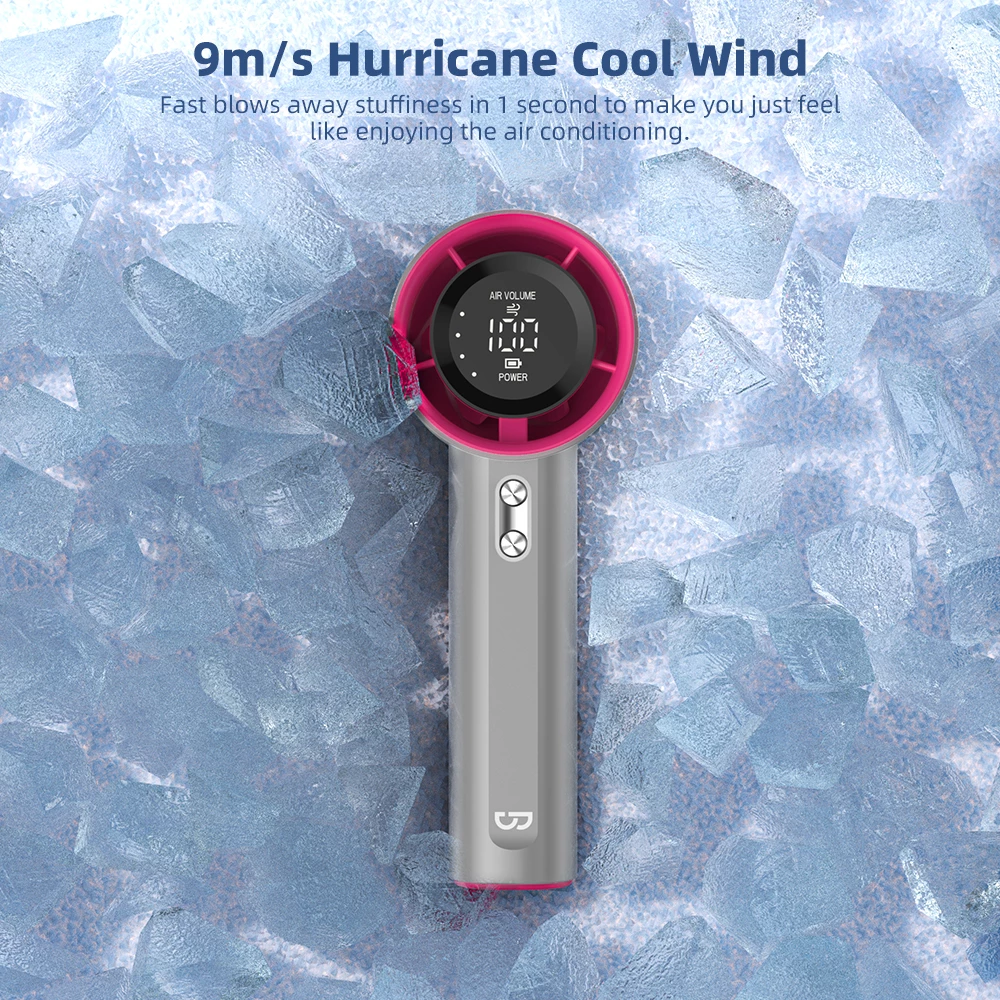
This isn’t just another electric fan. A small turbo fan is an air circulator, engineered to create a powerful, focused beam of air. It doesn’t just push air around; it creates a vortex that circulates all the air in a room, eliminating hot spots and creating a consistent, comfortable environment. It’s the secret weapon for finally achieving that all-day presko feeling without the financial dread.
This guide is here to cut through the noise. We will give you the essential knowledge—no brand promotions, just practical, honest advice—to understand what makes a great small turbo fan. We’ll empower you to choose the perfect model that fits the unique needs of your Pinoy home, your family, and your budget.

What Exactly is a Small Turbo Fan, and Why is it a Must-Have in Every Pinoy Home?
Let’s be honest, the standard electric fan in many Filipino homes often feels like it’s just pushing hot, heavy air around. On a scorching May afternoon, it does little to fight that sticky, ‘kulob’ feeling. A small turbo fan, however, is a completely different beast. It’s not just another appliance; it’s a strategic tool designed for powerful, efficient air circulation, making it an essential for survival in our tropical climate.
This isn’t just about a faster motor. It’s about smarter airflow technology that changes the game for home cooling in 2025.
It’s Not Your Lola’s Old Electric Fan: The Magic of Vortex Action
Think of it this way: a traditional fan is like a wide-nozzle garden hose. It sprays a lot of water (or in this case, air) in a broad, undefined pattern, but the force is weak and dissipates quickly. It moves the air that’s immediately in front of it, and that’s about it.
A small turbo fan is like a high-pressure jet nozzle. It sucks in air and uses deeply pitched blades, a conical air duct, and a special grille to focus it into a tight, spinning column. This is often called “vortex action.” This powerful beam of air travels much farther—sometimes up to 20 meters or more—without losing momentum. When this beam hits a wall or ceiling, it explodes outwards, circulating all the air in the room, from the hot air near the ceiling to the cool air near the floor.
Standard Fan vs. Turbo Fan: A Quick Breakdown
- Standard Fan: Creates a wide, weak breeze that you only feel when you’re directly in its path. It offers temporary relief but doesn’t actually circulate the air in the entire room.
- Small Turbo Fan: Generates a focused, high-velocity air beam that creates whole-room air circulation. You don’t need to be in its direct path to feel the cooling effect.
Three Reasons a Turbo Fan is Your Best Weapon Against the Philippine Heat
Now that we understand the “how,” let’s dive into the “why.” Why is this compact device becoming a non-negotiable appliance in condos in BGC, apartments in Cebu, and family homes across the archipelago?
1. It Delivers a Powerful, Humidity-Busting Breeze
The real enemy of comfort in the Philippines isn’t just the temperature; it’s the humidity. That heavy, damp air makes 32°C feel like 40°C. A regular fan’s gentle breeze struggles to cut through this moisture-laden atmosphere.
The intense, focused airflow from a small turbo fan is powerful enough to slice right through that humidity. It accelerates the evaporation of sweat from your skin—the body’s natural cooling mechanism—creating an instant and profound feeling of ‘presko.’ It actively breaks up stagnant, humid air pockets, making the entire room feel fresher and lighter, not just a little less hot.
2. Its Compact Size is Perfect for Modern Pinoy Living
Let’s face it, floor space is a premium. The trend towards condominium living and more compact housing in urban centers means we don’t have room for bulky, oversized appliances. The “small” in “small turbo fan” is one of its biggest advantages.
Its small footprint means it can sit discreetly on a desk while you work from home, on a kitchen counter to disperse cooking heat, or on a bedside table for a quiet, cooling breeze at night. It’s powerful enough to cool a small bedroom or a living area but portable enough to be moved from the ‘sala’ to the ‘kwarto’ with zero hassle. It provides maximum cooling power without sacrificing valuable living space.
3. It’s the Ultimate ‘Kasama’ for Your Air Conditioner
This is perhaps the most significant benefit for the budget-conscious Pinoy household. We all dread the Meralco bill after a month of relying heavily on the aircon. The small turbo fan is the air conditioner’s best friend, working in synergy to create a hyper-efficient cooling system.
An air conditioner cools the air, but it often struggles to distribute it evenly. This leads to cold spots near the unit and warm spots farther away. By placing a turbo fan strategically, you can circulate that dense, cold air throughout the entire room in minutes. According to 2025 energy efficiency reports, this simple pairing can allow you to raise your AC’s thermostat by 2 to 4 degrees Celsius without any noticeable difference in comfort.
Imagine setting your aircon to a power-saving 25°C instead of a chilling 22°C. The turbo fan ensures that cool air reaches every corner, making the room feel just as cold, but your electricity consumption could drop by as much as 20%. Over a whole summer, those savings add up to a significant amount, making the small turbo fan not just a comfort appliance, but a smart financial investment.

Your 2025 Buying Checklist: Critical Features to Consider
Choosing a small turbo fan in 2025 isn’t just about picking the one that looks good on the shelf. It’s about making a smart investment for your comfort and your wallet. Let’s be real, with the heat getting more intense each year, you need a reliable partner to beat it. This checklist breaks down the essential, non-negotiable features you need to examine before you buy. Think of this as your secret weapon to finding the perfect fan that delivers that glorious ‘presko’ feeling without the guesswork.
Airflow and Power (CFM): The Real ‘Hangin’ Factor
The first and most important spec you’ll encounter is airflow. Forget the marketing hype; the number you need to look for is the CFM rating.
What Exactly is CFM?
CFM stands for Cubic Feet per Minute. In simple terms, it measures the volume of air a fan can move in one minute. A higher CFM rating means the fan moves more air, creating a more powerful and noticeable breeze. This is the single most critical factor for determining a fan’s cooling effectiveness.
Think of it this way: a fan with a low CFM in a humid, ‘kulob’ room is like trying to stir a thick pot of ube halaya with a toothpick. It just moves the surface a little. A fan with a high CFM, however, is like using a powerful mixer—it circulates everything, breaking up stagnant, hot pockets of air and creating real, refreshing movement.
Why High CFM is Non-Negotiable in the Philippines
Our tropical humidity is the real enemy. It makes the air feel heavy and thick, trapping heat against your skin. A standard fan often just pushes this warm, moist air around. A small turbo fan with a high CFM rating (for its size, look for models pushing over 300 CFM for small rooms, and 500+ for larger spaces) has the power to cut through that humidity. It creates a focused jet stream that not only cools you directly but also helps evaporate moisture from your skin, which is the natural way our bodies cool down. This is how you achieve a true ‘presko’ sensation, not just the feeling of hot air blowing on your face.
Energy Efficiency (Wattage): Your Weapon Against Meralco Bill Shock
We’ve all been there—that heart-stopping moment when you see the monthly Meralco bill after a hot month of blasting the aircon. A powerful fan is great, but not if it secretly drains your electricity. This is where wattage comes in.
Understanding Wattage and Your Bill
Wattage (W) is simply the measure of how much electricity the fan consumes. The rule is incredibly simple: lower wattage equals lower power consumption, which means more pesos saved. When comparing two fans with similar CFM ratings, the one with the lower wattage is the more energy-efficient choice. It’s a direct reflection of how much it will cost to run.
The Rise of DC Motors in 2025
One of the biggest advancements you’ll see in 2025 models is the widespread use of DC (Direct Current) motors over traditional AC (Alternating Current) motors. Here’s why it matters to your budget:
- Massive Energy Savings: DC motors are champions of efficiency, often using up to 70% less energy than their AC counterparts to produce the same amount of airflow. While a fan with a DC motor might have a slightly higher price tag initially, the savings on your electricity bill can pay for the difference in just a few summer months.
- Quieter Operation: As a bonus, DC motors are inherently quieter, which we’ll discuss more later.
- More Speed Settings: They allow for more precise control, often offering a dozen or more speed settings compared to the typical three of an AC fan.
Always check the product specifications for the wattage. A small fan that consumes 25W versus one that consumes 50W can literally cut your fan’s running cost in half. Over a whole summer, that adds up to a lot of extra cash for halo-halo!
Size and Portability: The Perfect Fit for Your Pinoy Space
In the Philippines, our living spaces are diverse. You might be in a spacious house in the province, a compact condo unit in Makati, or a cozy apartment in Quezon City. The right fan needs to fit not just your room, but your lifestyle.
Footprint and Placement
Consider where the fan will spend most of its time. Will it be on your work-from-home desk, on the floor of the living room (sala), or on your bedside table? The “footprint”—the amount of table or floor space it occupies—is crucial. A small turbo fan is designed to be compact, but some are more so than others. Measure your intended space to ensure a good fit without it feeling cluttered.
The Freedom of Portability
One of the best things about a small fan is the ability to move it where you need it most. A lightweight design with a built-in handle is a huge plus. Imagine this:
- You’re using it in the kitchen to stay cool while cooking adobo.
- Then, you move it to the dining area during lunch.
- In the afternoon, it’s in the sala, helping circulate the aircon.
- At night, it comes with you to the bedroom for a comfortable sleep.
This versatility means one great fan can do the job of several, making it a practical and cost-effective solution for the typical Pinoy household.
Noise Level (dB): Keeping Your Home Peaceful, Not a Wind Tunnel
What’s the point of being cool if you can’t hear your own thoughts, your favorite teleserye, or your Zoom meeting? The noise a fan produces is a critical, yet often overlooked, feature.
Decoding Decibels (dB)
The noise level of a fan is measured in decibels (dB). It can be hard to visualize, so here are some simple comparisons:
- 20-30 dB: A quiet whisper or rustling leaves. This is ideal for sleeping.
- 40-50 dB: The ambient noise in a quiet library or a gentle rainfall. Most people find this range perfectly acceptable for daily activities.
- 60+ dB: A normal conversation. A fan operating at this level can become distracting and intrusive.
In 2025, manufacturers are more transparent about noise levels. Look for the dB rating in the product specs. A fan that boasts a low dB rating (under 45 dB on its lower settings) is a sign of quality engineering. As mentioned earlier, fans with DC motors are typically much quieter, giving you another compelling reason to consider them.
Build Quality and Durability: Built to Last in the Tropics
Let’s face it, our climate is tough on appliances. The constant heat and high humidity can cause cheap plastics to become brittle and metal parts to rust. A fan isn’t just for one summer; it should be a reliable appliance for years to come.
Materials Matter
Pay close attention to what the fan is made of.
- Body: Look for fans made from high-quality ABS plastic. It’s more durable and resistant to yellowing or cracking from UV exposure and heat compared to cheaper standard plastics.
- Grilles: Metal grilles are sturdy, but ensure they are coated or treated to be rust-resistant. You don’t want to see orange spots appearing after one rainy season.
- Base: A wide, sturdy base is essential for stability. A fan that can be easily knocked over by a playful child or a pet is a safety hazard.
Don’t be afraid to give it a little shake in the store. Does it feel solid, or does it rattle and feel flimsy? A well-built fan feels dense and stable. Investing in better build quality means you won’t be back in the appliance store next year buying a replacement. Check the warranty period as well—a longer warranty often indicates the manufacturer’s confidence in their product’s durability.

Decoding Fan Settings for Maximum ‘Presko’ Comfort
Gone are the days when a fan was just a simple machine with a few buttons. Today’s small turbo fans are sophisticated comfort devices. Understanding their settings is the key to unlocking a new level of ‘presko’ and transforming how you experience the intense Philippine heat. It’s not just about turning it on; it’s about tailoring the airflow to your exact needs, moment by moment.
Think of your fan’s control panel as your command center for comfort. Mastering these functions means you can create the perfect environment, whether you’re working, sleeping, or just relaxing with family in the sala, all while keeping an eye on your electricity consumption.
Speed Controls: More Than Just Low, Medium, and High
We all grew up with the classic 1-2-3 speed settings on the fans of our childhood. While simple and effective, modern small turbo fans offer a far more nuanced approach to airflow control.
The Advantage of Variable Speed
Many 2025 models have moved beyond the basic three-speed system. Instead, they offer variable speed controls, which can come in two forms:
- Digital Steps: You might find fans with 8, 12, or even more distinct speed settings. This allows for incredibly fine-tuned adjustments.
- Control Dials: Some models use a smooth-turning dial, giving you an almost infinite range of speeds between the lowest and highest settings.
But why does this matter in a Pinoy home? Our weather isn’t a constant. The blistering heat of a May afternoon demands maximum power to fight the ‘init’. However, a cooler, rainy evening in August might only require a whisper-quiet, gentle breeze to keep the air from feeling stagnant or ‘kulob’. Variable speed gives you the power to find your perfect ‘hangin’ for any situation, ensuring comfort without the unnecessary blast of cold air that can lead to ‘lamig’ (a chill).
Oscillation and Tilt: Spreading the ‘Presko’ Feeling Everywhere
A powerful fan is useless if it only cools one tiny spot. The true magic of a turbo fan lies in its ability to circulate air throughout an entire room. This is where oscillation and tilt functions become game-changers.
Whole-Room Air Circulation
Standard oscillation, the side-to-side sweeping motion, is a familiar feature. But advanced small turbo fans take this much further:
- Wide-Angle Horizontal Oscillation: This allows the fan to cover a much broader area, perfect for cooling multiple people on a sofa or across a dining table.
- Vertical Tilt: This is a crucial feature. By tilting the fan head upwards, you can bounce the powerful jet of air off the ceiling. This creates a gentle, indirect circulation pattern that cools the entire room evenly, eliminating hot spots without blowing directly on anyone.
- 3D or Multi-Directional Oscillation: The most advanced models can move horizontally and vertically at the same time, creating a figure-8 or spherical pattern of airflow. This is the ultimate tool for combating stuffy, trapped air and ensuring every corner of the room feels fresh.
This whole-room circulation is incredibly effective when paired with an air conditioner. It quickly distributes the cold air, allowing you to raise your AC’s thermostat by a few degrees, which can translate into significant savings on your Meralco bill. It’s not just about cooling; it’s about smart air management.
Beyond the Basics: Special Modes for a Smarter Breeze
Today’s fans are smarter. They come with pre-programmed modes designed to enhance your comfort in specific situations. These aren’t gimmicks; they are practical features that solve common household problems.
Sleep Mode: For a Peaceful Night
How many times have you woken up in the middle of the night feeling too cold because the fan was on full blast? Sleep Mode is the solution. When activated, it typically starts at your selected speed and then gradually reduces the intensity over an hour or two, eventually settling at its lowest, quietest setting. This cools you down as you drift off to sleep but prevents you from getting uncomfortably cold in the cooler pre-dawn hours.
Natural Breeze Mode: Mimicking the Outdoors
The constant, monotonous drone of a standard fan can be fatiguing. Natural Breeze or “Nature” mode intelligently varies the fan’s speed, alternating between stronger gusts and softer breezes. This simulates the feeling of a natural wind, creating a more relaxing and organic ambiance. It’s a small touch that makes a huge difference when you’re reading a book or trying to unwind after a long day.
The Timer Function: Your Secret Weapon for Saving on Bills
In a country where electricity costs are a constant concern, the humble timer function is one of the most valuable features a small turbo fan can have. It is a simple yet powerful tool for both convenience and energy conservation.
The concept is straightforward: you can set the fan to automatically turn off after a predetermined period, usually from 1 to 8 hours. The practical applications for the ‘matipid’ (thrifty) Filipino household are immense.
Set the timer for two or three hours as you go to bed. The fan will keep you cool during the crucial time you’re falling asleep, and then shut itself off, preventing it from running needlessly all night long. This single feature ensures you don’t wake up to a fan that’s been wasting electricity for hours. It’s the perfect blend of comfort and cost-consciousness, giving you peace of mind while you sleep.

Smart Placement: How to Maximize Your Fan’s Cooling Power
So, you’ve brought your new small turbo fan home. The temptation is real: plug it in, point it directly at your face, and let the powerful blast provide instant relief. While that feels good for a moment, you’re missing out on the fan’s true potential to make your entire space feel ‘presko’.
Unlike a standard ‘electric fan’ that just pushes air forward, a turbo fan is engineered for whole-room air circulation. Getting the placement right is the secret to unlocking its efficiency, cooling your home faster, and even saving on your Meralco bill. It’s not just about where you put it; it’s about what you want the air to do.
Let’s move beyond the basic direct-blast and learn the strategies that turn your fan into a master of the elements in your Pinoy home.
The ‘Whole-Room Presko’ Technique: Master Indirect Airflow
The most powerful and common-sense strategy for general cooling doesn’t involve pointing the fan at yourself at all. The goal here is to create a continuous, circulating current of air that moves throughout the entire room.
Think of the hot, stagnant (‘kulob’) air in your room. The warmest air naturally rises and collects near the ceiling. Your mission is to get that air moving and mix it with the cooler air below.
How to Do It:
- Aim High: Position your small turbo fan on the floor or a low table. Tilt the head upwards, aiming it towards the ceiling or at a point high up on the opposite wall.
- Create a Vortex: When you turn it on, the fan will shoot a concentrated column of air. This air travels across the ceiling, hits the opposite wall, and then circulates back down and around the room, creating a gentle, consistent breeze everywhere.
- No More Hot Spots: This method is incredibly effective at eliminating those stuffy corners and ensuring the temperature is more uniform throughout your sala or bedroom. It’s perfect for sleeping, as you get the cooling effect without the harsh, direct draft that can be uncomfortable overnight.
This technique single-handedly transforms the fan from a personal cooler into a whole-room air circulator. You’ll be surprised how much more comfortable a space feels when the air itself is gently in motion.
Your Aircon’s New Best Friend: The Ultimate Power Combo
Running the air conditioner 24/7 is the dream, but the reality of the resulting electricity bill is a nightmare for most Filipino families. This is where your small turbo fan becomes your single most valuable money-saving tool.
Cold air from your AC unit is dense, and it tends to sink and pool on the floor, often leaving the rest of the room feeling significantly warmer. Your AC has to work much harder and longer to cool the entire space. The turbo fan is the perfect partner to solve this problem.
The Meralco-Saver Strategy:
- Position Strategically: Place your turbo fan on the other side of the room from the air conditioner. You want it to be in a position to “catch” the cool air.
- Distribute the Cold: Aim the fan towards the center of the room, or slightly upwards. It will pick up the pool of expensive, chilled air from the floor and distribute it efficiently and evenly throughout the space.
- Feel Cooler, Faster: With the fan’s help, the entire room reaches your desired temperature in a fraction of the time. This means you can raise your AC’s thermostat by a few degrees—from 21°C to a more energy-saving 24°C, for instance—and still feel just as cool. That small change can lead to significant savings.
In 2025, using smart technology to combat rising energy costs is not just a hack; it’s a necessity. This synergy between your AC and turbo fan is the most effective way to achieve maximum ‘lamig’ for minimum cost.
Harnessing Nature: The Cross-Ventilation Hack
Your windows and doors are portals for air. By placing your fan strategically, you can control the flow, turning it into a tool for either exhausting hot air or inviting cool air inside.
Daytime Mission: Expel the Heat
During a hot afternoon, a room with closed windows can feel like an oven. The air inside becomes stale and much hotter than the air outside.
- How it works: Place your turbo fan facing *out* of an open window or doorway. It will act like an exhaust fan, actively pushing the hot, trapped air from inside your home to the outside. This creates negative pressure, which then helps pull in fresher (even if it’s still warm) air from other open windows, creating vital airflow.
Evening Mission: Welcome the ‘Hanging-gabi’
One of the best feelings during a Filipino summer is the cooler evening breeze (‘hanging-gabi’). Your fan can help you bring that feeling indoors much more effectively.
- How it works: As the temperature drops outside, position your fan facing *inward* from an open window. It will actively pull the cooler night air into your room and circulate it, rapidly cooling down your living space without needing the aircon. This is perfect for flushing out all the heat your home has absorbed throughout the day.
By thinking of your fan as a tool to manage airflow, not just create a breeze, you can use the natural environment to your advantage, making your home a more comfortable and pleasant place to be, day or night.

Easy Maintenance for a Long-Lasting Breeze
You’ve invested in a powerful small turbo fan to conquer the summer heat. But the secret to keeping that glorious ‘presko’ feeling from turning into a dusty, inefficient hum isn’t just in the initial purchase—it’s in the simple, regular upkeep. Proper maintenance is the single most important thing you can do to guarantee powerful airflow, protect your family’s health, and extend the life of your appliance for many summers to come.
Why a Clean Fan is a Better Fan: More Than Just Looks
Let’s be honest, cleaning the fan is one of those household chores, or ‘gawaing bahay’, that we often put off. However, that layer of grey fuzz you see is more than just an eyesore; it’s a performance killer and a health hazard hiding in plain sight.
The Efficiency Killer: Battling Alikabok
That familiar Filipino dust, or alikabok, is your fan’s number one enemy. As it accumulates on the fan blades, it creates drag. This isn’t just a tiny nuisance; this buildup can be significant.
Engineering studies have shown that heavy dust accumulation on fan blades can reduce their efficiency by as much as 30%. Your fan’s motor has to work harder to spin the heavier, unbalanced blades, which consumes more electricity—hello, higher Meralco bill!—and generates less airflow. You end up paying more for a weaker breeze.
The Hidden Health Threat: Air Quality in Your Home
Every time you switch on a dirty fan, you’re not just circulating air; you’re launching a cloud of allergens directly into your living space. This dust cloud can contain pollen, pet dander, and dust mites, which are major triggers for allergies and respiratory issues.
This is particularly critical in the Philippines. According to the Global Asthma Network, the country has a significant prevalence of asthma symptoms among children. A dirty fan can worsen conditions for sensitive family members, turning a tool for comfort into a source of irritation.
Your Quick and Safe “Linis-Fan” Guide
Cleaning your small turbo fan is easier than you think. Set aside 15 minutes every two weeks to a month, depending on how dusty your environment is, and follow these simple steps to restore its power.
First, Gather Your Tools:
- A soft cloth or microfiber towel
- A soft-bristled brush (an old toothbrush works wonders)
- A bowl of water with a mild soap solution
- Optional: A can of compressed air or a vacuum cleaner with a brush attachment
Step-by-Step Cleaning for Peak Performance:
- Safety First: Unplug The Fan! We cannot stress this enough. Before a single drop of water or a single touch, make sure the fan is completely disconnected from the power source to prevent any risk of electric shock.
- Disassemble the Grille. Most modern small turbo fans have a front grille that can be easily removed, often by unscrewing a single screw or releasing a few clips. Check your user manual if you’re unsure. This gives you direct access to the blades.
- Wipe Down the Blades. Use a slightly damp cloth to carefully wipe down each fan blade, front and back. For stubborn, caked-on dust, use your mild soap solution, but ensure the cloth is wrung out well—you don’t want water dripping into the motor housing.
- Clean the Grilles. The grilles are dust magnets. Use your soft brush to get into all the nooks and crannies. You can wash removable plastic grilles in the sink with soapy water. Just make sure they are 100% dry before you reassemble them.
- Address the Motor Housing. Never use water on the motor casing at the back of the fan. Instead, use a dry cloth, a vacuum with a brush attachment, or a can of compressed air to clear dust from the vents. A clean motor vent prevents overheating.
- Reassemble and Test. Once everything is clean and completely dry, put the fan back together. Plug it in and enjoy that powerful, clean, and truly ‘presko’ breeze. You’ll immediately notice the difference.
Beyond the Weekly Wipe-Down: Long-Term Care Tips
A little bit of foresight can ensure your small turbo fan remains a reliable companion for years, not just for a single season. Being ‘wais’ or practical with your appliances pays off.
Smart Storage During the “-Ber” Months
When the cooler Christmas season arrives and your fan gets a well-deserved break, don’t just shove it in a corner. Clean it thoroughly one last time and then cover it with a plastic bag or place it back in its original box. Store it in a cool, dry place like a closet or cabinet to prevent dust from settling in and to protect it from humidity.
The Essential Cord Check
Periodically, run your hand along the power cord to check for any signs of wear and tear. Look for cracks, fraying, or exposed wires, especially near the plug and where the cord enters the fan’s body. A damaged cord is a serious fire hazard. If you find any damage, stop using the fan immediately and have it professionally repaired or replaced. Your family’s safety is paramount.

Your Partner for a Cooler, More Comfortable Summer
Navigating the world of home appliances can feel overwhelming, but finding the right small turbo fan doesn’t have to be. The ultimate choice isn’t about grabbing the most expensive model or the one with the most features; it’s about finding the perfect, balanced solution that fits your unique Pinoy home and lifestyle in 2025.
Think of it as crafting your personal ‘presko’ strategy. It’s a smart combination of key factors that work in harmony to deliver maximum comfort without the shocking Meralco bill.
The Winning Formula for Beating the Heat
As we’ve explored, the best small turbo fan for you is one that masters the essentials. It’s a delicate dance between several crucial elements. Before you make your decision, remember to weigh these core pillars:
- Power with Purpose (CFM): Don’t just look for a strong wind. Look for effective air circulation powerful enough to move the humid air in your specific room, whether it’s a compact condo bedroom or a more spacious living area.
- Budget-Friendly Efficiency (Wattage): In a country where electricity costs are a constant concern, a fan’s wattage is non-negotiable. A lower wattage means direct savings, allowing you to run your fan for hours without the guilt.
- Smart and Practical Design: Your fan should fit your life, not the other way around. Consider its footprint, its portability for moving from the sala to the kwarto, and its noise level (dB) for undisturbed sleep or work-from-home sessions.
- Features that Matter: Go beyond the basics and look for functions you will actually use. A timer for overnight use, wide oscillation to cool the whole family, and variable speeds for that just-right breeze are game-changers.
Beyond Just a Breeze: The ‘Presko’ Lifestyle Awaits
Let’s be real—a small turbo fan is more than just an appliance. It’s your strategic partner in surviving, and even enjoying, the intense Philippine summer. By making an informed choice, you are investing in a significantly more comfortable living environment.
Imagine a summer where the stuffy, ‘kulob’ feeling is gone, replaced by a constant, refreshing circulation of air. Picture being able to work, relax, or sleep soundly without constantly worrying about the cost of running your air conditioner on full blast. A powerful, energy-efficient turbo fan makes this a reality. It works beautifully on its own and transforms into a super-charger for your AC, spreading cool air faster and more efficiently, allowing you to raise your thermostat and lower your expenses.
Step into Summer with Confidence
Armed with the knowledge from this guide, you are no longer just guessing. You can now walk into any appliance store or browse online marketplaces with the confidence of an expert. You understand what CFM, wattage, and decibels mean for your daily comfort. You know how to position a fan to maximize its cooling power and how to maintain it for years of reliable service.
The power to create your cool sanctuary is now in your hands. Go forth and use this guide to confidently choose the perfect small turbo fan to beat the heat and make your 2025 summer the most ‘presko’ one yet. Stay cool!

Sale
- 3-Month Extended Replacement Plan
GOOJODOQ Portable Fans High-Speed GFS006
Original price was: ₱869.00.₱830.00Current price is: ₱830.00. Select options This product has multiple variants. The options may be chosen on the product pageSale
- 3-Month Extended Replacement Plan
GOOJODOQ High Speed Handheld Fan GFS001
Original price was: ₱827.40.₱680.00Current price is: ₱680.00. Select options This product has multiple variants. The options may be chosen on the product pageSale
- 3-Month Extended Replacement Plan
GOOJODOQ High Speed Mini Fan GFS007
Price range: ₱520.00 through ₱580.00 Select options This product has multiple variants. The options may be chosen on the product pageSale
- 3-Month Extended Replacement Plan
GOOJODOQ Foldable Portable Fan GFS003
Original price was: ₱523.95.₱489.00Current price is: ₱489.00. Select options This product has multiple variants. The options may be chosen on the product page
09Apr


 29Apr
29Apr
 30Apr
30Apr