







 09Apr
09Apr
Surviving the WFH Grind in the Philippine Heat
Let’s be honest. Working from home in the Philippines in 2025 is a battle on two fronts: chasing deadlines and escaping the relentless, sticky heat. You’re trying to focus on a crucial video call, but all you can think about is the sweat trickling down your back. The idea of running the air conditioner all day is tempting, but the thought of that skyrocketing electricity bill is enough to make you sweat even more.
This is where the humble electric fan comes in as your most valuable workmate. But the choice isn’t as simple as it used to be. A new contender has entered the ring to challenge the long-reigning champion of Filipino desks. This brings us to the core of today’s debate: Do you stick with the classic, ever-reliable desk fan, or is it time to upgrade to the compact and powerful small turbo fan?
The Real Question: What is “Sulit”?
For us Filipinos, the word “sulit” is everything. It’s not just about finding the cheapest option; it’s about getting the absolute best value for our hard-earned money. It’s the perfect balance of price, performance, and long-term savings. One fan promises wide, gentle breezes, while the other boasts a focused jet stream of air that can circulate an entire room’s atmosphere. Which one truly delivers the most bang for your buck?
This article is your definitive guide. We will break down everything you need to know, from airflow technology and cooling effectiveness to energy consumption and space efficiency. Our goal is to give you a clear, no-nonsense comparison to help you decide which fan is truly “mas sulit” for your specific work-from-home needs in the demanding Philippine climate.

Understanding the Small Turbo Fan: More Than Just a Breeze
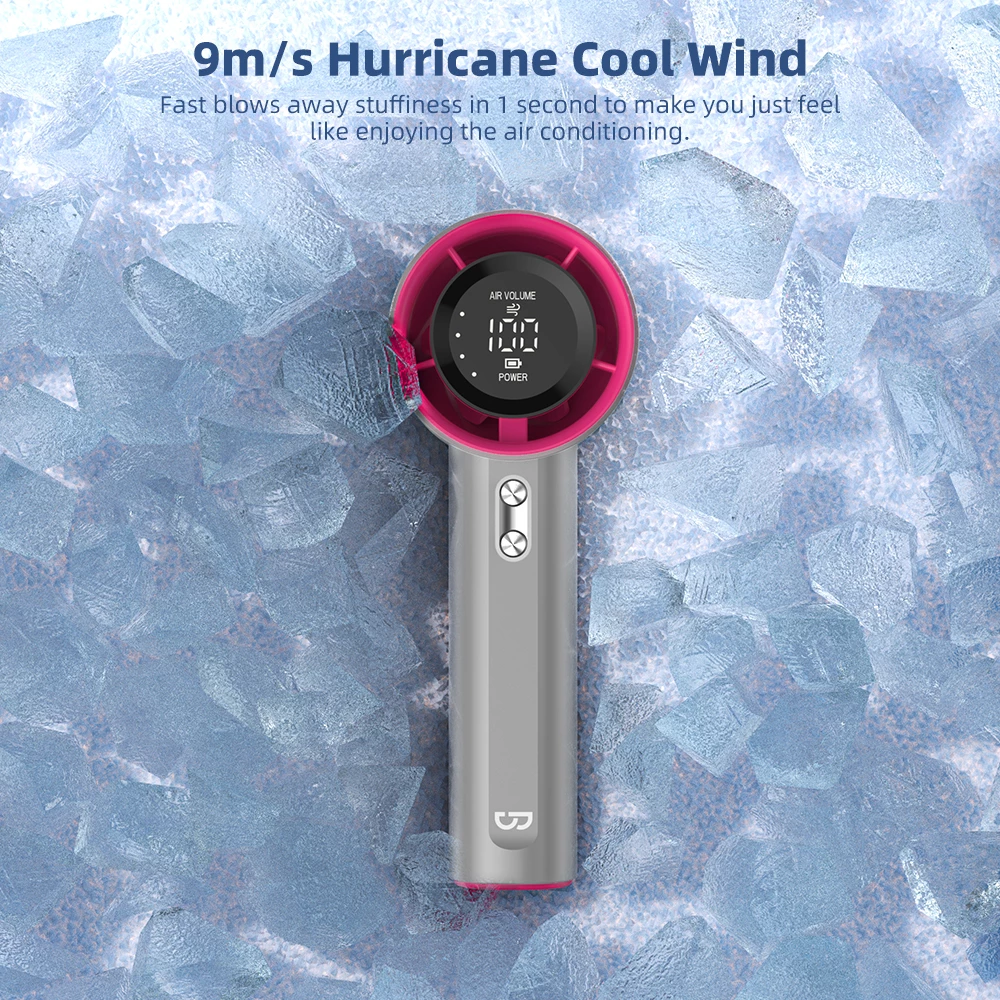
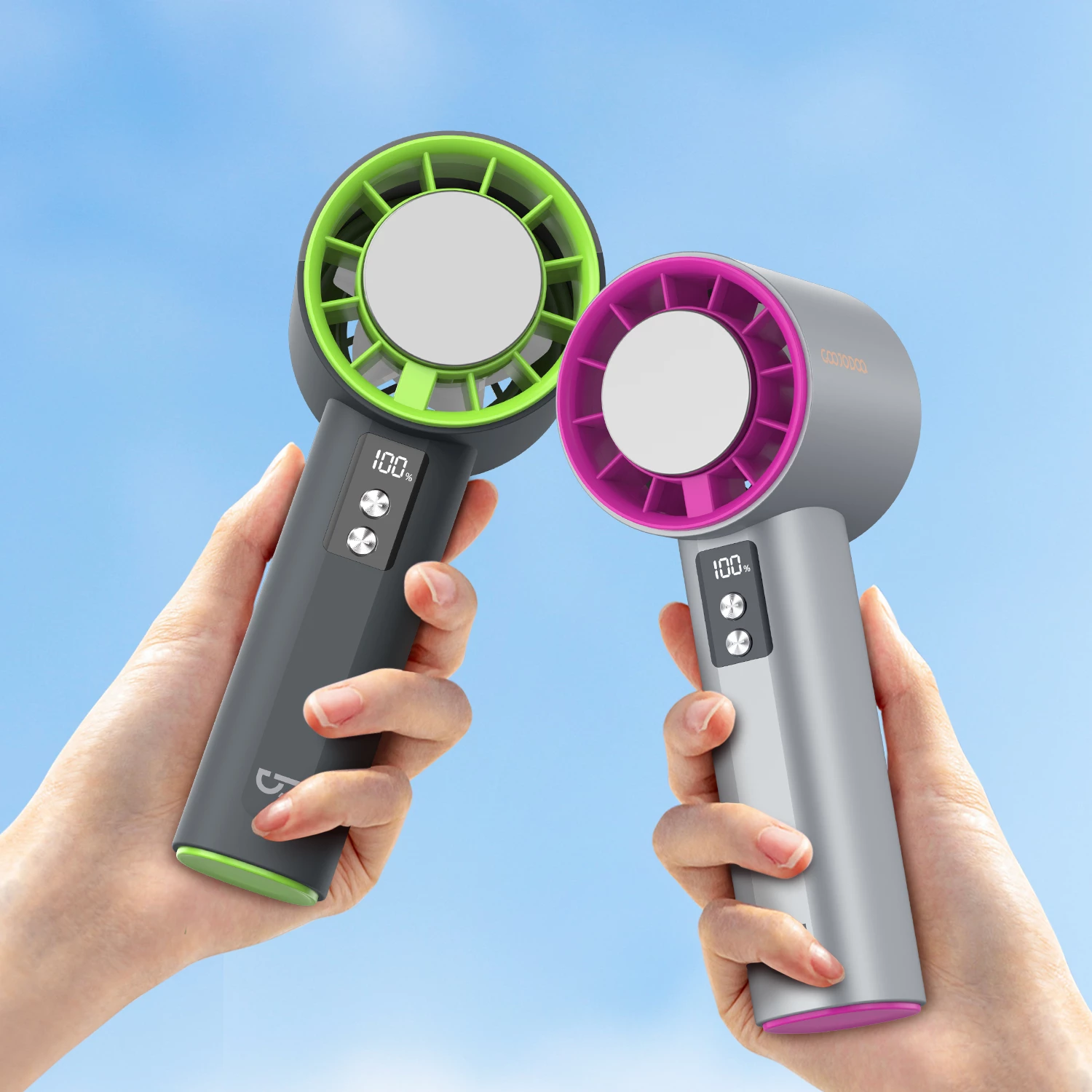
Let’s get one thing straight right away: a small turbo fan is not just a desk fan that went on a diet. While it may be smaller, its entire purpose and the technology packed inside are fundamentally different. Think of it less as a fan and more as an air circulator, a device engineered for a single, powerful purpose.
It’s designed to move air in a way that its larger, more traditional cousin simply cannot.
What Exactly is a Small Turbo Fan? The Science of Focused Power
At its core, a small turbo fan is an aerodynamic machine. Unlike a standard desk fan that uses wide, flat blades to push a broad swath of air forward, a turbo fan employs deeply pitched blades and a specially designed conical grille.
This combination works to sculpt the air. It takes in air from the back and funnels it into a tight, focused, and high-velocity column. Imagine the difference between a garden sprinkler (a desk fan) and a pressure washer nozzle (a turbo fan). One provides a wide, gentle spray, while the other creates a powerful, long-range jet.
A Beam of Air, Not Just a Breeze
This concentrated column of air, often called a vortex, is the turbo fan’s secret weapon. It can travel much farther across a room before it dissipates—we’re talking several meters, even for a compact unit sitting on your desk. This focused power is what sets the stage for its real magic: whole-room air circulation.
How It Transforms Your Room’s Air: The Vortex Effect
Here’s where the game truly changes for your WFH setup. A traditional desk fan offers direct cooling. You point it at yourself, and you feel the breeze. Move out of its path, and the cooling effect is gone. It does very little to change the overall environment of the room.
A small turbo fan works on a completely different principle. You don’t necessarily have to point it directly at you.
From Stale and “Kulob” to Fresh and Breezy
Instead, you can aim it towards a wall or the ceiling. The powerful vortex of air travels across the room, hits the surface, and then circulates back, moving all the air in the space along with it. This continuous motion breaks up stagnant, hot pockets of air and eliminates that heavy, humid, “kulob” feeling so common in Philippine rooms, especially during the sweltering afternoons of 2025.
This circulation creates a more uniform temperature throughout the space. Studies on air circulation have shown it can make a room feel 2-4°C cooler than it actually is, simply by preventing heat from settling. It also makes your air conditioner work smarter, not harder. By circulating the cool air from your AC unit more effectively, the turbo fan helps the room reach the desired temperature faster, allowing the AC’s compressor to run less often.
Core Features That Define a Turbo Fan
When you’re looking at a small turbo fan, you’ll notice a few consistent characteristics that set it apart from the old-school desk fan your lola might have.
-
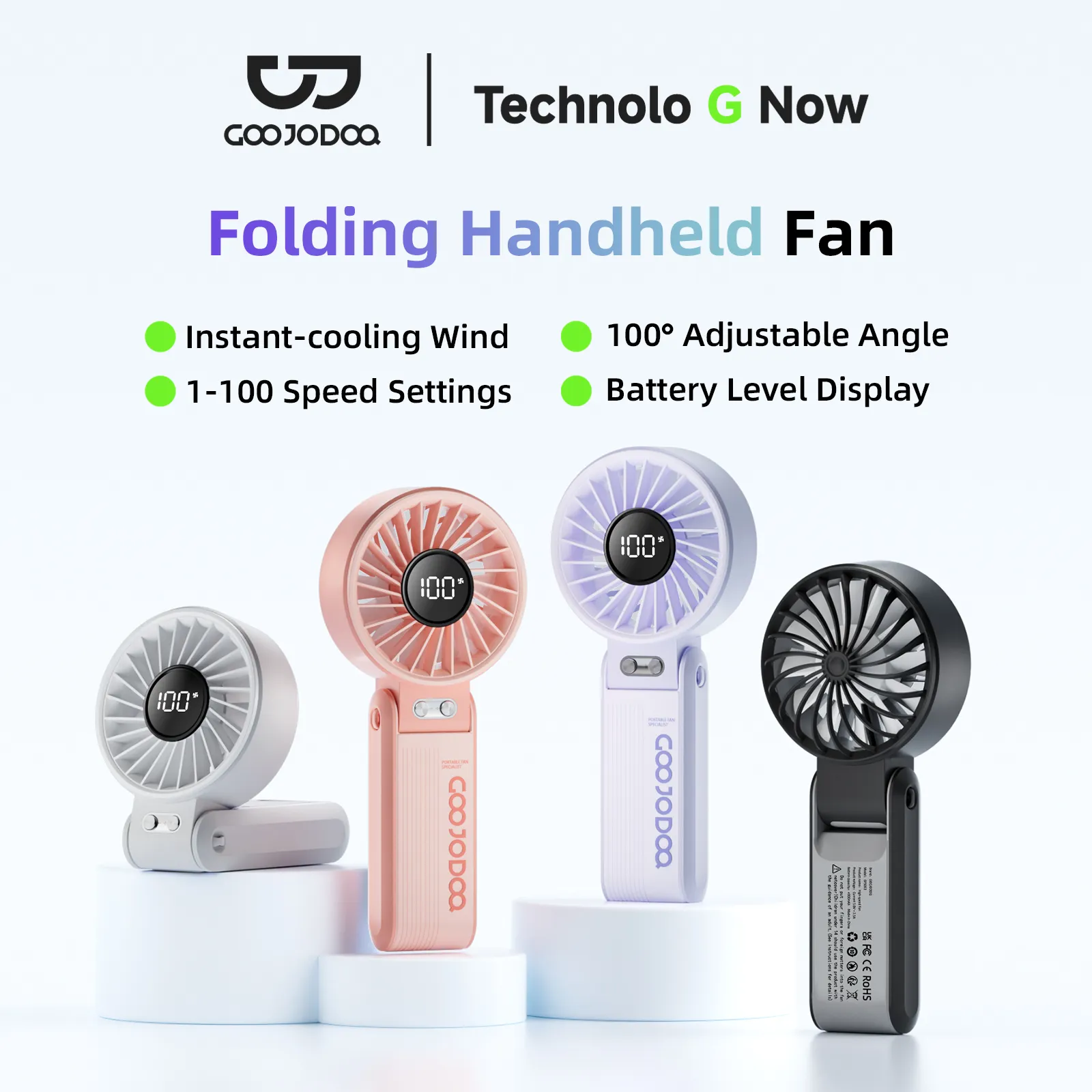
Compact Powerhouse: Its most obvious trait is its small footprint. In an era of shrinking condo sizes and multi-purpose WFH desks, every square inch of space matters. A turbo fan delivers significant power without monopolizing your precious workspace.
-
Energy-Sipping Motors: Being “wais sa kuryente” is more important than ever with 2025 electricity rates. Many modern small turbo fans utilize DC (Direct Current) motors, which are significantly more energy-efficient—sometimes up to 70% more efficient—than the AC (Alternating Current) motors found in most older desk fans. This means you get more airflow for every peso spent on your Meralco bill.
-
Long-Range Focused Airflow: As mentioned, its ability to project air over long distances is its signature feature. This makes it incredibly versatile for cooling not just you, but for circulating air in an entire small-to-medium-sized bedroom or home office.
-
Sleek, Modern Aesthetics: Let’s be honest, looks matter for a curated WFH setup. Turbo fans typically feature minimalist, contemporary designs that blend seamlessly into a modern workspace, a far cry from the sometimes bulky and dated look of traditional fans.

The Classic Desk Fan: The Familiar Cooling Staple
Walk into almost any Filipino home, from a bustling condo in Makati to a quiet house in the province, and you will likely find one. The classic desk fan is more than an appliance; it’s a household icon, a reliable companion that has battled countless humid afternoons and stuffy nights. It’s the sound of our childhood summers and, for many, the ever-present hum of our current work-from-home life.
But in 2025, with new technologies emerging, is this familiar friend still the best choice for your desk? Let’s break down the staple that we all know and love.
What Exactly is a Desk Fan? The Unsung Hero of Pinoy Homes
At its core, a standard desk fan is a straightforward cooling device. It consists of a set of visible blades, typically three to five, housed within a protective grille and mounted on a sturdy base. Its mission is simple and direct: to create an immediate, personal breeze aimed right where you need it.
Unlike its more modern counterparts that focus on complex aerodynamics, the desk fan’s design philosophy is one of simplicity and reliability. It doesn’t try to reinvent the wheel; it just perfects the act of moving air directly from point A to point B—from the fan to your face.
How It Works: The Simple Science of a Sweeping Breeze
The magic of a desk fan lies in its mechanics, which are both simple and effective. The motor spins the large, angled blades, which are designed to scoop up the air behind them and push a wide column of it forward. Think of it less like a focused jet and more like a gentle, persistent wave of air.
Its most defining feature, of course, is oscillation. With the press of a button or the pull of a knob, the fan head begins to sweep from side to side. This single function is what allows it to cover a much broader area than a stationary fan, providing intermittent relief across your entire workspace rather than a constant blast in one spot. This sweeping motion is perfect for preventing that feeling of being “too cold” in one spot while the rest of you is sweating.
Key Characteristics You Already Know and Love
The desk fan has remained popular for decades for good reason. Its features are practical, intuitive, and perfectly suited for its primary purpose.
Broad Coverage via Oscillation
The ability to oscillate is the desk fan’s signature move. It’s the reason it can cool more than just the person sitting directly in front of it. In a WFH setup, this means the breeze can sweep over you, your keyboard, and your notebooks, creating a more dynamic and comfortable cooling effect. If you share your workspace or just don’t like a constant, direct wind, this feature is invaluable.
A Larger, More Stable Footprint
Let’s be honest, desk fans are not small. They command a certain amount of real estate on your table. This larger and often heavier base, however, provides excellent stability. You’re far less likely to accidentally knock it over with a stray arm or a curious pet. This sturdiness is a mark of its traditional design—built to last, not just to look sleek.
But this is a double-edged sword in 2025. For those working in compact spaces, like a small condo unit or a shared room, every square inch of desk space is precious. The fan’s footprint can be a significant drawback, forcing you to choose between more room for your monitor or staying cool.
Simplicity is King: Plug, Press, and Feel the Breeze
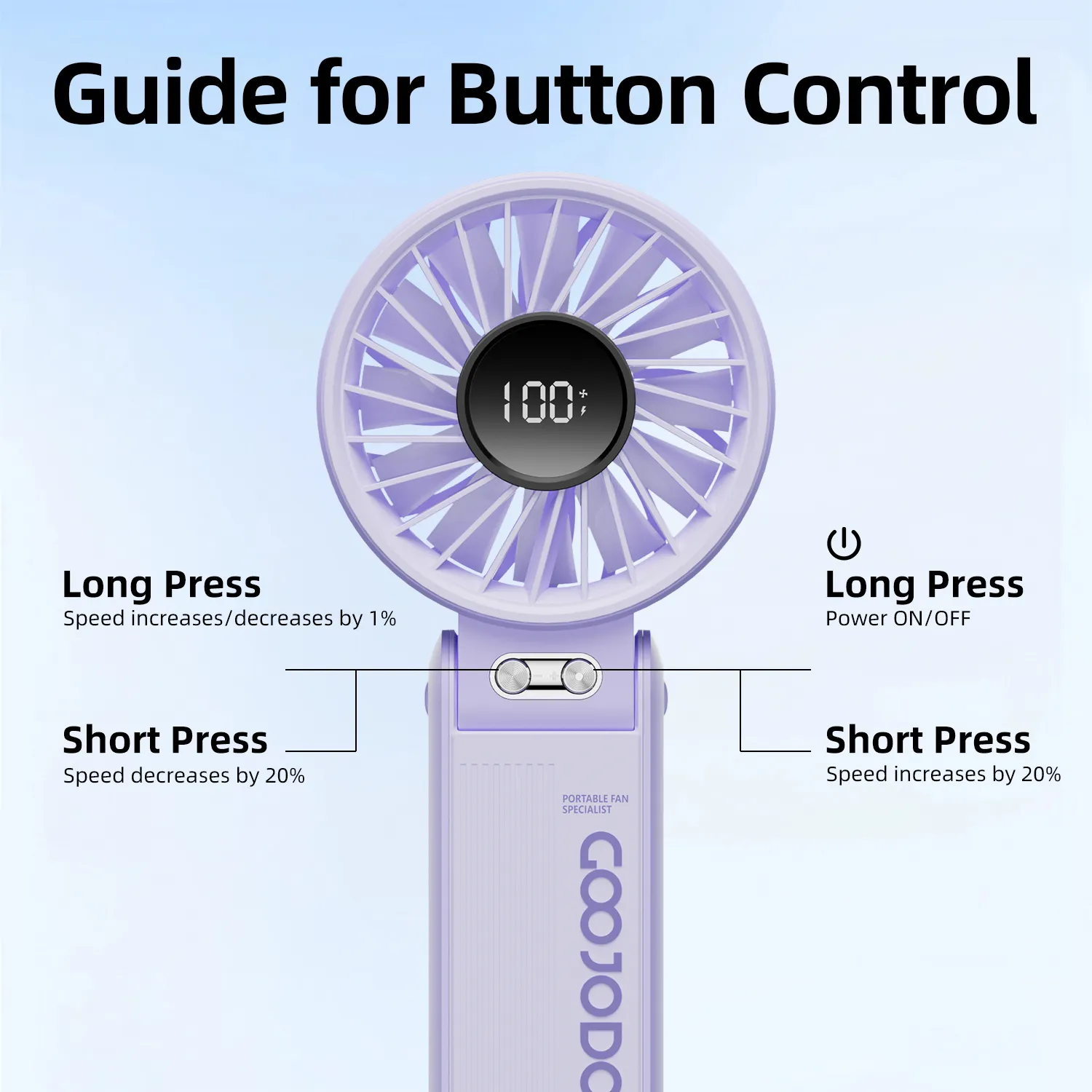
There is no learning curve with a desk fan. You take it out of the box, plug it in, and choose your speed—usually a simple ‘1, 2, 3’ dial or button set. This straightforward operation is a major part of its appeal. You don’t need a remote, an app, or a manual to figure it out. In a world of increasingly complex gadgets, this plug-and-play simplicity is refreshingly efficient.
The Unspoken Trade-offs: What to Consider in 2025
While its familiarity is comforting, the classic desk fan isn’t without its disadvantages, especially when viewed through a modern lens.
- Air Movement vs. Air Circulation: A desk fan is excellent at moving air. However, it doesn’t truly circulate it. On an intensely hot and humid (“maalinsangan”) day, it is essentially just blowing hot, humid air around. It provides the sensation of cooling through wind chill on your skin but does little to lower the overall stuffy feeling in a poorly ventilated room.
- Maintenance Needs: Those large blades and open grilles are magnets for dust and grime (“alikabok”). Cleaning a desk fan can be a time-consuming chore that involves disassembling the grille, wiping each blade, and putting it all back together—a task that needs to be done regularly for both air quality and performance.
- Energy Consumption: Many traditional and more affordable desk fans still use AC (alternating current) motors. While reliable, these are often less energy-efficient than the DC (direct current) motors found in many modern fans. With Meralco rates being a constant concern for any WFH budget, the long-term running cost of an older, less efficient fan is a critical factor in determining if it’s truly “sulit.”

Performance Showdown: Airflow, Cooling Effect, and Noise
When the afternoon heat hits your WFH station, performance is everything. It’s not just about moving air; it’s about how that air moves, how it makes you feel, and how much noise it creates. Let’s break down the real-world differences between a small turbo fan and a traditional desk fan where it matters most.
Airflow and Range: The Jet Stream vs. The Gentle Wind
The single biggest difference lies in the very physics of how these two fans operate. Understanding this is key to choosing the right one for your space, whether it’s a tight condo in BGC or a larger room in a family home.
The Small Turbo Fan’s Focused Vortex
Think of a small turbo fan as a miniature jet engine. It doesn’t just push air; it creates a highly concentrated, high-velocity column of air that travels a surprising distance. This is often called a “vortex” or “jet stream” effect.
This is achieved through a combination of deeply pitched blades and a special grille design that straightens and focuses the airflow. The result? A fan sitting on your desk can effectively move air from several meters away. This long-range capability is its defining feature.
- Best For: Larger rooms where you need to move air from one end to the other, or for targeting a specific stuffy corner without being right next to it.
- The Downside: The cooling area is narrow. If you’re not directly in its path, you might not feel much. It’s a sniper, not a shotgun.
The Desk Fan’s Wide, Sweeping Breeze
Your trusty desk fan works on a simpler principle: bigger blades push a wider, less-intense cone of air. Its goal is broad, short-range coverage. The oscillation feature, standard on most models, further enhances this by sweeping that gentle breeze across a wider area.
Imagine a gentle wind passing through an open window. It’s pleasant and covers a lot of ground right in front of it, but it loses power quickly. You need to be relatively close to a desk fan to get the full benefit of its cooling effect.
- Best For: Providing a direct, gentle breeze on your face and upper body while you work. It’s perfect for personal cooling in your immediate workspace.
- The Downside: It’s ineffective at circulating air throughout an entire room. The airflow dissipates rapidly over distance.
The Cooling Sensation: Banishing “Alinsangan”
In the Philippines, the battle is often against more than just heat; it’s against the humid, sticky feeling we call “maalinsangan.” This is where the type of cooling—direct versus indirect—becomes a crucial factor.
Direct Evaporative Cooling: The Desk Fan’s Specialty
A desk fan cools you down primarily through evaporative cooling. The wide breeze blows across your skin, helping sweat evaporate faster, which in turn cools you down. It’s a very direct and immediately noticeable sensation. If you want to feel the wind on your face, the desk fan is the undisputed champion.
However, it does little to change the overall feel of the room. If the air in the room is stagnant and humid, the desk fan only creates a moving bubble of that same stagnant air.
Whole-Room Air Circulation: The Turbo Fan’s Secret Weapon
A small turbo fan offers a different kind of relief. While you can point it at yourself for direct cooling, its true power lies in eliminating that “maalinsangan” feeling by circulating the air in the entire space.
Here’s how it works: By creating a powerful jet stream, you can aim it at a wall or ceiling. This causes the air to bounce and spread, creating a constant, gentle circulation throughout the room. This process breaks up hot spots and stagnant, humid air pockets, making the entire room feel fresher and less stuffy, even if the fan isn’t pointed at you. In 2025, with many of us in compact living spaces, this ability to improve the ambient feel of an entire room is a significant advantage.
This also makes it an incredible partner for an air conditioner. It can efficiently distribute the cold air from your AC unit, helping the room cool down faster and more evenly, potentially saving on your Meralco bill.
Noise Levels: The Sound of Staying Cool
No one wants a fan that sounds like an airplane taking off during a Zoom call. While both fan types have become quieter over the years thanks to improved motor technology, the character of the sound they produce is fundamentally different.
The Turbo Fan’s High-Tech Hum
Because of its powerful motor and high-velocity airflow, a small turbo fan tends to produce a higher-pitched sound. It’s less of a “whoosh” and more of a focused, smooth “hum” or “whir.” At its highest settings, this can be more noticeable than a desk fan.
However, many modern units, especially those with DC motors, are engineered to be surprisingly quiet at lower-to-medium settings—the speeds you’d likely use for all-day operation. The noise is often a consistent, white-noise-like sound that can be easy to tune out.
The Desk Fan’s Familiar Whoosh
The traditional desk fan produces a lower-frequency sound. This is the classic “whoosh-whoosh-whoosh” of large blades cutting through the air. It’s a sound most of us grew up with and can find quite comforting.
The sound profile is broader and less focused. For some, this low drone is less intrusive than the higher-pitched hum of a turbo fan. The trade-off is that even at low speeds, the sound of the blades is always present. Ultimately, the “better” sound is a matter of pure personal preference.
The “Sulit” Factor: Energy Consumption and Space Efficiency
When we Filipinos talk about something being “sulit,” we’re not just looking at the price tag. We’re talking about true value for money. It’s the long-term benefit, the daily convenience, and the smart savings that truly define a worthwhile purchase. In the battle between the small turbo fan and the classic desk fan, the “sulit” factor comes down to two critical resources in any WFH setup: your electricity and your desk space.
Power Consumption: The Quest to be “Tipid sa Kuryente”
Let’s get straight to the point: In the long run, a modern small turbo fan is often the more energy-efficient choice, potentially saving you a noticeable amount on that dreaded Meralco bill. While the initial cost might be slightly higher, the savings over time can make it the more “sulit” option.
The reason for this isn’t magic; it’s about the motor inside.
The Engine Inside: DC vs. AC Motors
Most of the new-generation small turbo fans are engineered with Direct Current (DC) motors. Think of these as the smart, efficient engines of the fan world. They use less electricity to generate powerful airflow and often come with more speed settings, giving you precise control over both the breeze and the power consumption.
On the other hand, many traditional desk fans, especially older or more budget-friendly models, run on Alternating Current (AC) motors. These are the workhorses we grew up with—reliable, yes, but generally less efficient. They often consume more power, and their limited speed settings (usually just low, medium, and high) don’t offer the same potential for micro-adjustments and energy savings.
How This Affects Your 2025 Electricity Bill
With electricity rates in 2025 continuing to be a major household concern, even small differences in wattage can add up significantly. Let’s imagine a realistic WFH scenario:
- Classic Desk Fan (AC Motor): Consumes an average of 60 watts.
- Small Turbo Fan (DC Motor): Consumes around 30 watts for a similar perceived cooling effect.
Running your fan for 8 hours a day, 20 days a month, the difference becomes clear. The AC desk fan would consume 9.6 kilowatt-hours (kWh) per month, while the DC turbo fan would use only 4.8 kWh. You’re essentially cutting that specific cost in half, month after month. That’s real savings you can put towards other essentials.
Footprint: Reclaiming Your Precious “Space sa Desk”
In this category, the small turbo fan is the undisputed champion. Its compact design is a game-changer for anyone who feels like their desk is shrinking. This isn’t just about aesthetics; it’s about creating a more functional and productive workspace.
A Tale of Two Bases
Picture a standard desk fan. Its base needs to be wide and heavy to support the large, oscillating head. It can easily occupy the same amount of space as a textbook or a dinner plate. Now, picture a small turbo fan. Its base is often no bigger than a large coffee mug, designed to be stable yet incredibly space-efficient.
This allows it to be tucked neatly into a corner, placed behind your laptop, or even on a small shelf above your monitor, freeing up valuable real estate for your keyboard, mouse, notebooks, and of course, your essential cup of coffee.
Why Size is a Big Deal in a Pinoy WFH Setup
The reality for many of us working from home in the Philippines is that we’re not in spacious, dedicated offices. We’re often working from a corner of the bedroom, a section of the dining table, or a compact desk in a condo. In these environments, every square inch counts.
A bulky fan can make a small workspace feel cramped and chaotic. The sleek, minimalist profile of a small turbo fan contributes to a less cluttered, more organized desk. This can have a real psychological impact, helping you feel more focused, in control, and less stressed during your workday. When your physical space is clear, it’s easier for your mind to be clear, too.

Which Fan Fits Your WFH Lifestyle?
The final decision isn’t about which fan is technologically superior, but which one is truly “mas sulit” for your unique situation. Your workspace, budget, and even your personal preference for what “cool” feels like will determine the winner. Let’s break it down into real-world scenarios you might face in your Philippine home office.
The Small Turbo Fan: For the Modern, Space-Saving Professional
A small turbo fan is more than just a fan; it’s an air circulator. It’s an investment in a more comfortable and efficient work environment. You should seriously consider it if you see yourself in these situations:
You are the Condo Dweller or Small Room Warrior
Imagine this: you’re working from your bedroom in a Quezon City townhouse or a high-rise condo in BGC. Space is a premium. Your desk is already crowded with a monitor, laptop, and your essential cup of coffee. The air feels heavy and stagnant, or “kulob,” especially during a humid May afternoon. A bulky desk fan would be an unwelcome guest on your limited desk real estate.
- The Solution: This is where the small turbo fan shines. Its compact footprint frees up precious surface area. More importantly, its function as an air circulator tackles the “kulob” feeling head-on. Instead of just blowing hot air at you, it creates a vortex that moves air around the entire room. It pulls cooler air from the floor and pushes warmer air from the ceiling, making the whole space feel fresher and less oppressive, even without an air conditioner.
You are the “Tipid” and Energy-Conscious User
With Meralco bills in 2025 being a constant concern for every household, every watt counts. You look at your appliances not just for their upfront cost, but for their long-term operational expense. You believe that true value, or “sulit,” comes from savings over time.
- The Solution: Many modern small turbo fans are engineered with energy efficiency in mind, often using DC (Direct Current) motors. While the technology sounds complex, the benefit is simple: they consume significantly less electricity than traditional AC motor desk fans, especially at lower settings. The initial price might be slightly higher, but the savings on your monthly electricity bill can make it the more economical choice in the long run. It’s a classic case of investing a little more now to save a lot more later.
You Rely on Your Aircon as a Teammate
You have an air conditioner, but your WFH desk is in a corner that the cool air never seems to reach. Or perhaps you’re trying to save money by setting the thermostat to a more economical 25°C, but it just doesn’t feel cool enough. Your AC is working hard, but not smart.
- The Solution: A small turbo fan is the ultimate “aircon sidekick.” Point it towards your AC unit, and it will catch that precious cool air and circulate it powerfully and evenly throughout the room. That dead spot in your corner will suddenly feel the chill. This incredible efficiency means you can run your AC on a lower setting or for shorter periods, drastically cutting down on what is likely the biggest contributor to your electricity bill. It helps your AC’s cooling power reach its full potential.
The Classic Desk Fan: For Comfort, Coverage, and Cost-Effectiveness
The traditional desk fan is a Filipino household staple for a reason. It’s familiar, reliable, and does its primary job well. Don’t discount this classic, especially if your needs align with the following:
You Prefer a Direct, Gentle Breeze
For you, comfort isn’t about whole-room air circulation. It’s about that direct, “presko” feeling of a gentle breeze on your skin while you work. You find the concentrated, high-velocity airflow of a turbo fan to be too harsh or distracting. You want cooling that’s soft and widespread.
- The Solution: The desk fan is the undisputed champion of direct, oscillating comfort. Its larger blades are designed to move a wider column of air at a lower velocity. The oscillation feature sweeps this gentle breeze across your workspace, providing a consistent feeling of relief without being overwhelming. It’s the familiar comfort that has helped Filipinos beat the heat for generations.
Your Workspace is Larger Than Just a Desk
Maybe your WFH setup isn’t confined to a tiny corner. You have a larger home office, or you tend to move between your desk and a nearby shelf or whiteboard. You need a fan that can cool a broader area, not just a single, focused point.
- The Solution: The wide arc of an oscillating desk fan is perfect for larger spaces. It ensures that you’re not constantly moving the fan every time you shift in your chair. It provides more generalized cooling for a small to medium-sized room, making it a versatile choice if the fan needs to serve more than just one person or one spot.
You are the Practical, Budget-Conscious Starter
You’re setting up your home office from scratch, and the budget is tight. You need an effective cooling solution right now without having to splurge. Your priority is immediate functionality and the lowest possible upfront cost.
- The Solution: When it comes to initial affordability, the desk fan almost always wins. It is a no-nonsense, practical choice that delivers reliable performance for a fraction of the price of many high-tech turbo fans. You can walk into any appliance store in the Philippines and find a wide variety of dependable desk fans that won’t break the bank. It’s the ultimate plug-and-play solution for instant relief from the heat.
Conclusion: The Final Verdict on Your Cooling Companion
So, after breaking down the airflow, energy use, and space requirements, which fan truly deserves the title of “mas sulit” for your work-from-home setup? The truth is, there’s no single winner. The best choice isn’t about which fan is technologically superior, but which one aligns perfectly with your personal needs, your space, and your budget here in the Philippines.
The decision boils down to a simple trade-off: Are you investing in long-term efficiency and whole-room comfort, or are you opting for immediate, direct cooling at a lower upfront cost?
Recapping the Core Differences
Let’s quickly distill our findings into the essentials. Think of this as the final weigh-in before you make a decision.
A small turbo fan is the modern challenger, excelling in three key areas. It’s a master of powerful air circulation, moving air throughout the entire room to combat that stuffy, “kulob” feeling common in our humid climate. It’s often an energy-saving champion, with many models using efficient DC motors that can make a noticeable difference in your Meralco bill over time. Finally, its compact design is a lifesaver for the modern WFH warrior with a crowded desk in a condo or small bedroom.
On the other hand, the classic desk fan is the reliable incumbent. Its greatest strength is its ability to provide a wide, oscillating, and direct breeze—that familiar comfort you’ve known for years. It’s a straightforward, no-nonsense cooling solution that is almost always the more affordable choice right out of the box, making it an accessible option for anyone on a tight budget.
Which Fan Fits Your WFH Lifestyle?
To find your “sulit” champion, you need to look at your own workspace and be honest about your priorities. This isn’t just about buying a fan; it’s about upgrading your comfort and productivity for 2025.
You Should Choose the Small Turbo Fan if…
- Your room feels stagnant and stuffy. If you’re not just hot, but you feel like the air isn’t moving, the turbo fan’s ability to create a vortex and circulate air is a game-changer. It works wonders when paired with an air conditioner, helping to distribute the cool air much faster.
- You’re strategic about your electricity costs. If you see your Meralco bill as a long-term expense to manage, the potential energy savings of a modern turbo fan present a compelling case. The slightly higher initial cost can pay for itself over months of use.
- Desk space is prime real estate. For those working from a small table in the corner of a room, every square inch matters. The minimal footprint of a turbo fan frees up valuable space for your monitor, keyboard, and coffee mug.
You Should Stick with the Classic Desk Fan if…
- You prefer a gentle, sweeping breeze directly on you. If your primary goal is to feel a direct wind on your face and arms to beat the heat, the oscillating function of a traditional desk fan is hard to beat for that specific sensation.
- Upfront cost is your main concern. If you need a cooling solution right now without stretching your budget, the desk fan is the undisputed king of affordability. It gets the job done without a significant initial investment.
- You have a larger work area. In a more spacious room or a less cluttered desk, the larger size of a desk fan isn’t a drawback, and its wider airflow can feel more encompassing.
Make the Smart Choice for a Cooler 2025
Ultimately, the “mas sulit” fan is waiting on the other side of a simple self-assessment. Don’t just browse online listings. Take a moment. Look at your desk. Feel the air in your room. Think about your work habits and your budget.
Choosing the right cooling companion is more than just a purchase; it’s an investment in your daily comfort and focus. By understanding the distinct advantages of both the small turbo fan and the classic desk fan, you are now equipped to make the smartest choice—one that will keep you cool, comfortable, and productive through every deadline and virtual meeting the year has to offer.

Sale
New
- 3-Month Extended Replacement Plan
GOOJODOQ Portable Fans High-Speed GFS006
Original price was: ₱869.00.₱830.00Current price is: ₱830.00. Select options This product has multiple variants. The options may be chosen on the product pageSale
- 3-Month Extended Replacement Plan
GOOJODOQ High Speed Handheld Fan GFS001
Original price was: ₱827.40.₱759.00Current price is: ₱759.00. Select options This product has multiple variants. The options may be chosen on the product pageSale
- 3-Month Extended Replacement Plan
GOOJODOQ High Speed Mini Fan GFS007
Price range: ₱520.00 through ₱580.00 Select options This product has multiple variants. The options may be chosen on the product pageSale
- 3-Month Extended Replacement Plan
GOOJODOQ Foldable Portable Fan GFS003
Original price was: ₱523.95.₱450.00Current price is: ₱450.00. Select options This product has multiple variants. The options may be chosen on the product page
09Apr


 29Apr
29Apr
 30Apr
30Apr