







 09Apr
09Apr
The Unrelenting Philippine Heat: A Familiar Struggle
You know the feeling. The moment you step out of a cool shower, a film of sweat starts to form on your skin. The air feels thick, heavy, like a warm, wet blanket you can’t shake off. It’s a sensation every Filipino knows intimately.
Whether it’s the peak of summer in April or just another stuffy afternoon in a Metro Manila condo, the ‘init’ is a constant companion. It seeps through walls, clings to your clothes, and makes even the simplest tasks feel utterly exhausting.
The Vicious Cycle of High Bills and Hot Air
For decades, the solution has been a tough choice. You either surrender to the heat and humidity or brace yourself for a shocking Meralco bill at the end of the month. Running the air conditioner 24/7 feels like a luxury few can sustain, a temporary escape with a hefty price tag that brings its own kind of stress.
So, we turn to the trusty electric fan. But let’s be honest—on the hottest days, doesn’t it feel like it’s just pushing the same suffocating air around the room? It’s like a hairdryer on a low setting, offering movement but little to no real relief from that deep, ‘malagkit’ (sticky) feeling.
Rethinking Cool: The Rise of the Small Turbo Fan
But what if the problem isn’t just about blowing air, but about moving it intelligently? What if there’s a smarter, more efficient way to reclaim your comfort without breaking the bank? This is where the small turbo fan enters the picture. It’s more than just a compact version of its older sibling; it represents a completely different approach to personal cooling.
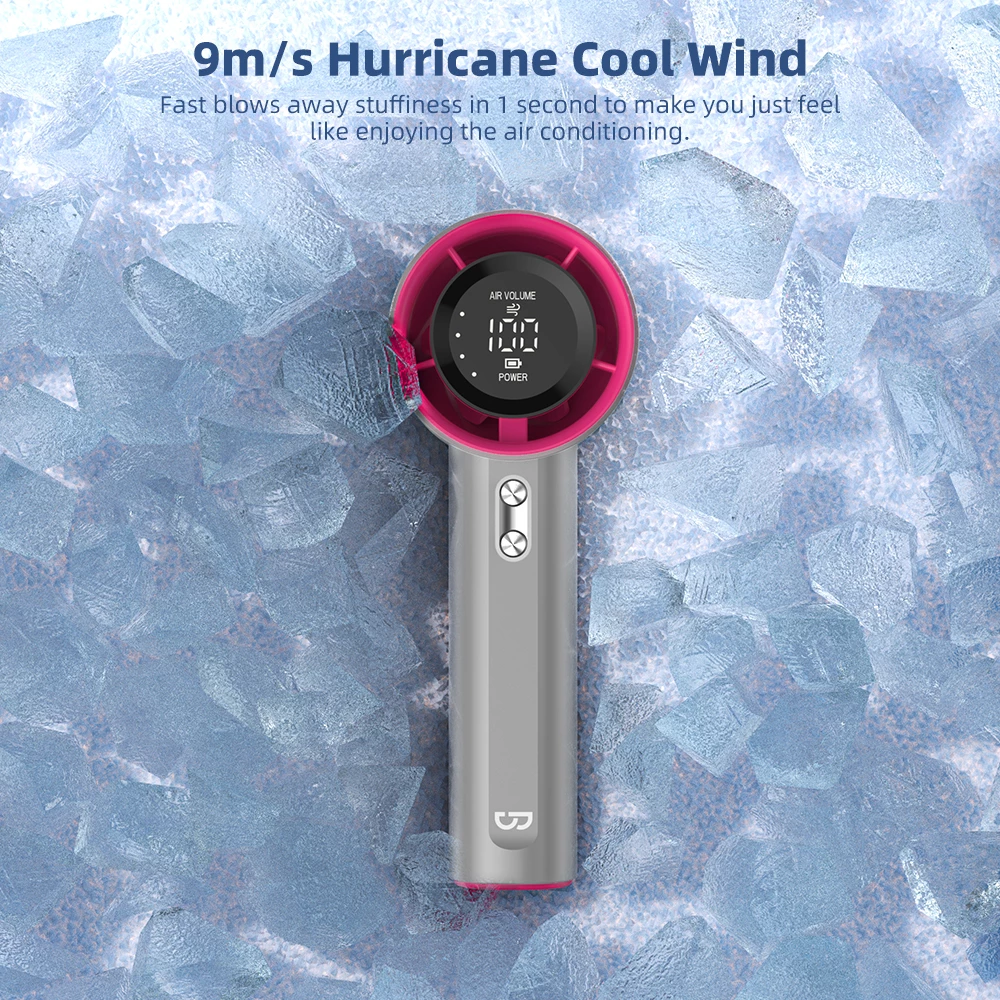
This isn’t an article about just another appliance. It’s about a strategic shift in how we battle the Philippine heat in 2025. We’ll dive deep into the clever technology behind these powerful little devices, exploring exactly how a small turbo fan works to circulate the air in an entire room. We will uncover why it’s a game-changer for energy savings and how it might just be the smartest weapon in your arsenal against our unrelenting tropical climate.

What Makes a “Turbo” Fan Different from a Regular Fan?
So, you think all fans are created equal? For years, the standard “electric fan” has been a staple in every Filipino household. We turn it on, it blows air, and we get some relief. But what if that’s not the whole story? The arrival of the small turbo fan isn’t just a design update; it’s a fundamental shift in how we think about moving air. It’s the difference between pushing hot air around and truly transforming the feel of an entire room.
It’s All in the Airflow: The Science Behind the “Turbo”
The core difference between a regular fan and a turbo fan lies in a single, powerful concept: focused air circulation. A standard fan operates on a simple principle – its broad, flat blades chop through the air and push it forward in a wide, undefined cone. While you feel a breeze right in front of it, this effect diminishes quickly with distance. It’s often just a temporary relief for one spot in the room.
Deep-Pitched Blades and a Ducted Design
A turbo fan, on the other hand, is an engineered system designed for a specific purpose. It’s not just about the motor. Here’s what sets it apart:
- Deep-Pitched Blades: Instead of flat paddles, turbo fans use deeply curved or pitched blades. Think of an airplane propeller. This design grabs and sculpts a larger volume of air with each rotation.
- Conical or Ducted Casing: The housing around the blades is crucial. It’s not just a safety guard; it’s an air duct. This cone-like shroud funnels the air, compressing it and increasing its velocity before it exits the fan.
Together, these elements create a tight, high-velocity column of air—often called a vortex. This vortex is the secret weapon against the stagnant Philippine heat. It’s a focused beam of air, not a wide, weak puff.
Beyond a Personal Breeze: The Power of Whole-Room Circulation
Here’s where the real magic happens. That focused vortex of air doesn’t just dissipate a few feet away. It’s designed to travel across the room, hit the opposite wall, and then circulate back along the walls and ceiling. This process creates a continuous, cyclical airflow that moves all the air in your space.
Why is this a game-changer for us here in the Philippines? It directly combats two of our biggest enemies: stagnant air and humidity.
Breaking Up Stagnant Heat and Humidity
In a typical room, heat isn’t uniform. Hot air rises and gets trapped near the ceiling, while cooler, denser air settles near the floor. A regular fan often fails to mix these layers. A turbo fan’s whole-room circulation actively forces this air to mix, eliminating hot spots and creating a more consistent, comfortable temperature throughout the room.
More importantly, this constant air movement fights that “malagkit” or sticky feeling. High humidity prevents sweat from evaporating effectively from our skin, which is our body’s natural cooling mechanism. The consistent airflow from a turbo fan accelerates this evaporation, making you feel significantly cooler and fresher, even if the room’s actual temperature hasn’t dropped by much.
Visualizing the Difference: The Garden Hose Analogy
Still finding it hard to picture? Let’s use a simple analogy everyone understands: a garden hose with an adjustable nozzle.
A regular fan is like the “shower” or “mist” setting on that nozzle. It creates a wide spray that feels nice if you’re standing right in front of it, but it doesn’t have the power to reach the other end of the garden. The water loses its force quickly.
A small turbo fan is the “jet” setting. The nozzle constricts the water flow, creating a powerful, focused stream that can shoot clear across the yard. This jet stream is strong enough to hit the far wall and splash back, moving everything in its path.
That’s precisely what a turbo fan does with air. It doesn’t just give you a gentle spray; it sends a powerful jet of air to get the entire environment moving, providing a cooling effect that is far more comprehensive and effective for surviving the intense and humid weather we face day in and day out in 2025.

Key Benefits of a Small Turbo Fan in a Filipino Home
Let’s be honest, surviving the heat in the Philippines is a national sport. We’ve all been there: stuck in a room where the air is thick, your skin feels constantly sticky, and a regular electric fan just seems to be pushing the hot air back in your face. A small turbo fan isn’t just another appliance; it’s a strategic upgrade in our battle against the heat. It offers a trio of benefits that directly address the pain points of every Filipino: superior cooling, serious energy savings, and a design perfect for modern living.
Beat the “Malagkit” Feeling with Superior Cooling
The most oppressive part of the Philippine heat isn’t just the temperature; it’s the humidity. That heavy, sticky feeling—what we all call “malagkit”—is what makes us feel drained and uncomfortable. This is where a small turbo fan completely changes the game.
How It Delivers a Fresher Feel
Unlike a standard fan that creates a wide, weak gust of air, a turbo fan is engineered to produce a focused, high-velocity column of air. This powerful stream travels across the room, creating a vortex effect. It doesn’t just push air; it actively circulates all the air in the space.
Think about it: this circulation pulls the cooler air from the floor and mixes it with the rest of the room, while disrupting the stagnant, hot air that gets trapped near the ceiling. The result is a consistent, refreshing environment that actively combats humidity. The constant air movement helps moisture evaporate from your skin faster, providing an immediate and lasting cooling sensation that tackles the “malagkit” problem at its core.
- Whole-Room Comfort: No more “hot spots” in the corners of your room. The entire space feels more balanced and breathable.
- Immediate Relief: The powerful airflow provides a quicker cooling effect than the slow, wafting breeze of a traditional fan.
- Less Stuffiness: By keeping the air in motion, it prevents that suffocating, stuffy feeling common in enclosed, non-airconditioned rooms.
Unlock “Tipid Mode”: Smart Energy Savings
We all watch our Meralco bill with a bit of anxiety, especially during the summer months when the air conditioner is working overtime. This is where a small turbo fan becomes your best friend in saving money. It’s an incredibly energy-efficient appliance that punches far above its weight class.
Your Aircon’s Best Partner
While an air conditioner is fantastic for chilling a room, it’s not always great at distributing that cold air evenly. Cold air is dense and tends to sink, creating a frigid layer near the floor while the rest of the room remains warmer. This often leads us to crank the AC down to 18°C just to feel comfortable.
Here’s the smart strategy:
- Set your aircon to a more energy-efficient temperature, like 24°C or 25°C.
- Position your small turbo fan to circulate that cool air throughout the room.
The fan will ensure the cold air doesn’t just pool on the floor but reaches every corner, making the entire room feel just as cool as if the AC was set much lower. According to energy experts, for every degree you raise your thermostat, you can save a significant percentage on your cooling costs. This “tandem technique” means you get the comfort you crave without the shocking electricity bill.
Drastic Consumption Difference
Let’s look at the numbers. A typical 1-horsepower window-type air conditioner can consume anywhere from 900 to 1,200 watts per hour. In stark contrast, most small turbo fans operate on just 30 to 60 watts. The difference is massive. Using the fan to make your AC more efficient translates to real, tangible savings on your monthly budget.
Space-Saving and Portable: Your Personal Cool Zone
In 2025, urban living in the Philippines often means making the most of a smaller footprint. Whether you’re in a condo in BGC, a cozy apartment in Quezon City, or a student dorm, space is a luxury. The bulky, oscillating stand fans of the past can feel clumsy and take up valuable floor space.
Designed for Modern Filipino Life
The “small” in “small turbo fan” is one of its greatest features. Its compact design allows it to sit discreetly on a desk, a nightstand, or a small side table without getting in the way.
- Perfect for Condos & Apartments: It provides powerful cooling without the large physical footprint, keeping your living space feeling open and uncluttered.
- The Ideal WFH Companion: Place it on your desk for a direct, quiet breeze that keeps you cool and focused during long hours of work without freezing out the whole room.
- Move It Where You Need It: It’s lightweight and easy to carry. Have it in the kitchen while you cook, move it to the living room for your Netflix binge, and then take it to the bedroom for a comfortable night’s sleep. This portability means you’re cooling yourself efficiently, not wasting energy cooling empty spaces.
This fan isn’t just a static appliance; it’s a personal cooling device that adapts to your day. It creates a comfortable micro-environment wherever you are, giving you precise control over your comfort in a smart, efficient, and space-conscious way.

How Whole-Room Air Circulation Fights Back Against Stagnant Heat
Let’s be honest, the biggest enemy during Philippine heatwaves isn’t just the temperature; it’s the stagnant, heavy air that feels like a thick blanket. You know the feeling—the “kulob” that traps heat inside your home, making even a simple electric fan feel useless. A small turbo fan tackles this problem head-on by creating whole-room air circulation, completely changing the way your space feels.
It’s a fundamental shift from simply pointing a breeze at yourself. Instead of temporary relief, you get a consistently comfortable environment by making the air in the entire room move.
The Simple Science: Putting Air in Motion
Ever notice how the second floor of your house feels ten degrees hotter than the ground floor? That’s basic physics at play, a concept called convection. It’s the same reason a hot air balloon rises.
Hot Air Rises, Cool Air Sinks
In any room, warmer, lighter air naturally rises towards the ceiling. Cooler, denser air sinks to the floor. Without proper circulation, this leads to a frustrating situation where all the heat gets trapped overhead, radiating down on you, while the cool air stays lazily on the floor.
A regular fan just slices through this layered air, creating a temporary wind tunnel that does little to mix it. A turbo fan, however, is engineered specifically to disrupt this process. Its powerful, focused column of air acts like a catalyst, creating a circular flow. It can be aimed to bounce air off walls and ceilings, effectively forcing the hot air up top to mix with the cooler air below.
This constant motion prevents the air from stagnating and layering, accelerating the natural convection cycle to create a more uniform and comfortable temperature throughout the space.
Eliminating Those Dreaded “Hot Spots”
Every Filipino home has them. That one corner of the sala that never gets any breeze, the spot near the kitchen that always feels humid, or the side of the bed farthest from the window. These are “hot spots,” and they are the direct result of poor air circulation.
Creating a Truly Even Temperature
Because a turbo fan circulates all the air in the room, it systematically eliminates these uncomfortable zones. The vortex it creates is powerful enough to reach the farthest corners, ensuring that no pocket of air is left undisturbed.
- Consistent Comfort: No more fighting over the “good spot” directly in front of the fan. The entire room becomes a comfort zone.
- Enhanced Cooling with AC: When used with an air conditioner, it distributes the cold air much more efficiently. This means you can raise your AC’s thermostat by a few degrees, saving a significant amount on your Meralco bill without sacrificing comfort.
- Feels Fresher: Moving air helps to evaporate moisture from your skin faster, fighting that sticky or “malagkit” feeling that is so common in our humid climate. The room doesn’t just feel cooler; it feels fresher and less oppressive.
A Year-Round Ally, Not Just a Summer Fix
While its benefits are most obvious during the scorching months of March to May, the power of air circulation is a huge advantage all year long, especially when the seasons change.
Battling Humidity and “Amoy-Kulob” in the Rainy Season
When the Habagat season arrives, the problem shifts from dry heat to damp, stuffy air. This is when clothes take forever to dry indoors and that distinct musty smell, or “amoy-kulob,” can develop in enclosed spaces.
Constant air circulation is one of the most effective ways to combat this. By keeping the air moving, a small turbo fan helps to:
- Reduce Dampness: It prevents moisture from settling on surfaces like walls, furniture, and clothes.
- Prevent Musty Odors: Stagnant, humid air is the perfect breeding ground for the mildew that causes those unpleasant smells. A well-ventilated room is a fresher-smelling room.
- Improve Air Quality: It helps to dissipate indoor pollutants and keeps the air from feeling heavy and stale, which is a common complaint during months of non-stop rain.
Ultimately, thinking in terms of “air circulation” rather than just “blowing air” is the key to achieving real, lasting comfort in the challenging Philippine climate. It’s a smarter, more efficient approach that works with the laws of physics to transform your living space from a heat trap into a consistently pleasant environment.

Choosing the Right Features for Your Needs (A General Guide)
You’re convinced. A small turbo fan sounds like the “sulit” (worth it) solution you’ve been looking for. But walk into any appliance store or browse online, and you’ll see a dozen different models. They are not all created equal. Choosing the right one isn’t about picking the most expensive or the one with the most buttons; it’s about matching the fan’s features to your specific lifestyle and home here in the Philippines. This guide will help you decode the technical jargon and focus on what truly matters for achieving that “presko” (cool and fresh) feeling.
H3: Speed and Power Settings: From Gentle Breeze to “Tapat Na Sa Init” Gust
The most fundamental feature of any fan is its ability to move air. For a turbo fan, this is its superpower. But more power isn’t always better. The key is having control over that power.
Why Multiple Speed Settings Are Non-Negotiable
The Philippine climate isn’t a constant, blazing inferno; it’s a dynamic mix of scorching afternoons, humid evenings, and surprisingly cool “madaling araw” (early morning) hours. A single-speed fan is a one-trick pony in a climate that demands versatility.
- Low Setting (The “Sleep Mode”): This is for those humid but not intensely hot nights. You don’t want a hurricane-force wind making you reach for a “kumot” (blanket). You need a gentle, consistent whisper of air that circulates and prevents that stuffy, stagnant feeling, ensuring you wake up feeling fresh, not sweaty.
- Medium Setting (The “All-Day” Workhorse): This is your go-to for daily use. Perfect for keeping a living room comfortable while you watch TV or for maintaining a productive environment in your home office. It’s the balance between effective air circulation and energy consumption.
- High/Turbo Setting (The “Emergency Cooler”): This is your secret weapon. Just got home from a commute under the punishing midday sun? Need to quickly cool down a kitchen that’s turned into a sauna from cooking adobo? The highest setting provides a powerful, focused jet of air that can rapidly circulate and cool down a room, providing instant relief when you need it most.
Beyond Just “Low, Med, High”
In 2025, many advanced models offer more granular control. Look for fans with four, eight, or even twelve speed settings. This allows you to fine-tune the airflow to your exact comfort level, a small luxury that makes a huge difference in day-to-day comfort.
H3: Oscillation and Tilt Functions: Directing the Cool, Not Just Creating It
A turbo fan’s power is in its focused column of air. But how you direct that column is what transforms it from a simple “bentilador” into a whole-room air circulation system. This is where oscillation and tilt come in.
The Power of Oscillation for Shared Spaces
Remember those family gatherings in the “sala” (living room) where everyone tries to crowd in front of the single electric fan? Oscillation solves this. An oscillating base allows the fan to sweep from side to side, distributing the airflow across a much wider area.
This is crucial for:
- Living Rooms and Dining Areas: Ensures that no one feels left out of the breeze. It creates a more generally pleasant environment rather than an intense cold spot.
- Larger Bedrooms: Helps to circulate air evenly across the entire room, preventing one side from feeling stuffy while the other is freezing.
The Strategic Genius of an Adjustable Tilt
This might be the most underrated feature, yet it’s the one that unlocks the true potential of a turbo fan’s air circulation technology. The ability to tilt the fan head, often up to 90 degrees to point directly at the ceiling, is a game-changer.
Why point a fan at the ceiling?
It’s based on the principle of convection. Hot air naturally rises. By directing the powerful, cool air vortex towards the ceiling, the fan pushes the trapped hot air outwards and downwards, while pulling the cooler air from the floor level upwards. This creates a continuous, circular flow that cools the entire volume of the room, not just a direct path. This indirect circulation method feels more natural, like a gentle, room-encompassing breeze, and is incredibly effective when used with an air conditioner to distribute the cold air evenly.
H3: Noise Level Considerations: The Sound of Comfort
Power is great, but not if it sounds like an airplane taking off in your bedroom. The operational noise, measured in decibels (dB), is a critical factor, especially for a fan you plan to use while sleeping or working.
Finding Your “White Noise” Sweet Spot
Noise is subjective. What one person finds to be a soothing “white noise” that drowns out the neighbor’s karaoke, another might find irritating. However, there are general guidelines.
- For Bedrooms: Look for models that specify a low dB level on their lowest settings, ideally under 35 dB. This is comparable to a soft whisper and shouldn’t disturb the average sleeper.
- For Home Offices: A fan that’s too loud can be distracting during video calls or when you’re trying to concentrate. A model with a quiet medium setting is ideal for maintaining focus.
- For General Living Areas: Noise is less of a concern, but you still don’t want a fan that forces you to turn up the TV volume.
Remember that a turbo fan’s design—with its deep blades and ducted housing—can sometimes produce a different kind of sound than a traditional fan. It’s often a lower-frequency “whoosh” rather than a high-pitched mechanical hum. Whenever possible, check reviews or product specifications for decibel ratings. A quiet, efficient fan is the ultimate sign of smart cooling technology at work, providing comfort you can feel, not just hear.

A Smarter Way to Beat the Heat in 2025
As we navigate the intense and often unforgiving Philippine climate of 2025, it’s clear that our old methods of staying cool are due for an upgrade. The answer isn’t always to blast the air conditioner and watch the Meralco bill soar. The small turbo fan has emerged not just as another appliance, but as a truly smart and strategic solution to managing our indoor environment.
It represents a shift in thinking: from simply fighting the heat with brute force to intelligently circulating air for a more holistic and sustainable kind of comfort.
More Than Just a Fan: A Recap of Key Advantages
So, what makes this compact powerhouse a game-changer for the modern Filipino home? It boils down to a powerful trio of benefits that directly address our biggest “init” concerns.
- Powerful Whole-Room Air Circulation: Unlike standard fans that just push a column of air forward, a turbo fan creates a vortex. This targeted stream moves all the air in your room, eliminating hot spots and finally tackling that “malagkit” or sticky feeling that humidity brings.
- Significant Energy Savings: This is the “tipid” factor we all look for. A small turbo fan consumes a fraction of the electricity an air conditioner does. When used in tandem with your AC, it circulates the cool air so efficiently that you can raise your thermostat by a few degrees, leading to very real savings on your monthly bills.
- Space-Saving and Versatile Design: In an age of condos, bed spaces, and compact homes, its small footprint is a massive plus. It’s portable enough to move from your home office during the day to your bedroom at night, providing powerful cooling exactly where and when you need it.
Your Strategic Tool Against Unrelenting Heat
It’s crucial to understand that a small turbo fan is not just an incremental improvement over a traditional “electric fan.” It is a fundamentally different approach to cooling. A standard fan provides temporary, directional relief. Step out of its direct path, and you’re back in the heat. It’s a short-term fix.
A turbo fan, however, is a climate management tool. By engineering whole-room air circulation, it actively works to lower the ambient temperature and humidity perception throughout the entire space. It prevents the stale, stagnant air that makes a room feel oppressive, even when a window is open. This is particularly vital in the Philippines, where high humidity can make 30°C feel like 40°C.
Rethinking Your Cooling Strategy for the Long Haul
Ultimately, beating the Philippine heat in 2025 and beyond requires a change in strategy. It’s about moving from passive cooling to active air management. Ask yourself: are you just trying to survive the heat, or are you creating a truly comfortable living environment?
Focusing on efficient air circulation is the key. It’s a more sustainable, cost-effective, and ultimately more comfortable way to live. Instead of just chasing a lower number on the thermostat, the goal should be to create a space that feels fresh, airy, and free from the oppressive stuffiness we know all too well.
So, before you endure another sticky afternoon or stuffy night, it’s time to rethink your approach. Consider how powerful, whole-room air circulation can fundamentally transform your home and your comfort, offering a smarter way to live coolly and comfortably in our beautiful tropical climate.

Sale
- 3-Month Extended Replacement Plan
GOOJODOQ Portable Fans High-Speed GFS006
Original price was: ₱869.00.₱830.00Current price is: ₱830.00. Select options This product has multiple variants. The options may be chosen on the product pageSale
- 3-Month Extended Replacement Plan
GOOJODOQ High Speed Handheld Fan GFS001
Original price was: ₱827.40.₱680.00Current price is: ₱680.00. Select options This product has multiple variants. The options may be chosen on the product pageSale
- 3-Month Extended Replacement Plan
GOOJODOQ High Speed Mini Fan GFS007
Price range: ₱520.00 through ₱580.00 Select options This product has multiple variants. The options may be chosen on the product pageSale
- 3-Month Extended Replacement Plan
GOOJODOQ Foldable Portable Fan GFS003
Original price was: ₱523.95.₱489.00Current price is: ₱489.00. Select options This product has multiple variants. The options may be chosen on the product page
09Apr


 29Apr
29Apr
 30Apr
30Apr