







 09Apr
09Apr
Surviving the 2025 Philippine Heat: Your Guide to Smarter Cooling
Let’s be honest, the Philippine heat in 2025 hits different. It’s not just about the discomfort anymore; it’s a battle against soaring Meralco bills and the constant search for a “wais” solution to stay cool. When your budget is tight, every peso counts. This brings us to a crucial decision many Filipino households face: do you invest in a trendy small turbo fan or stick with the reliable air cooler?
The choice is tougher than it seems. One promises powerful air circulation in a tiny package, while the other offers a genuinely cooler, slightly moist breeze. It’s not just about a quick fix for the “init”; it’s about finding a long-term partner in your fight against the tropical climate.
The Two Contenders for Your Comfort
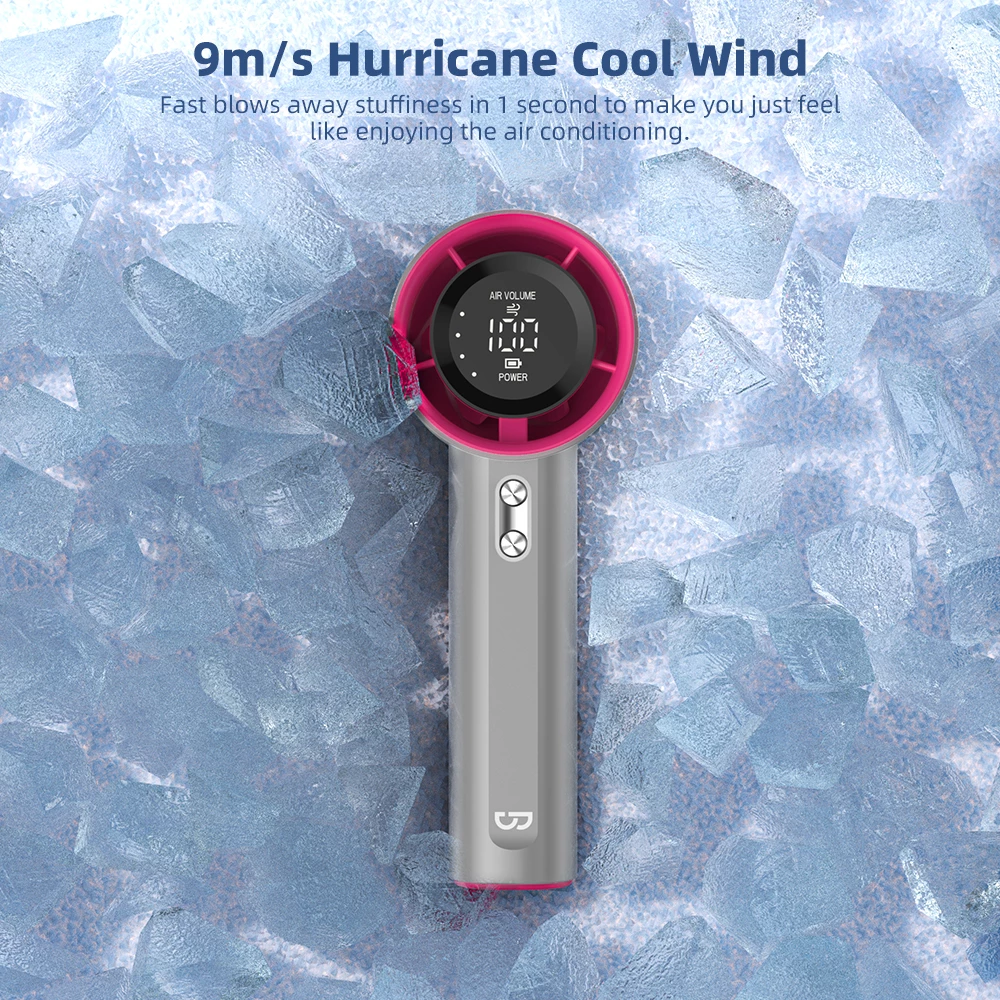
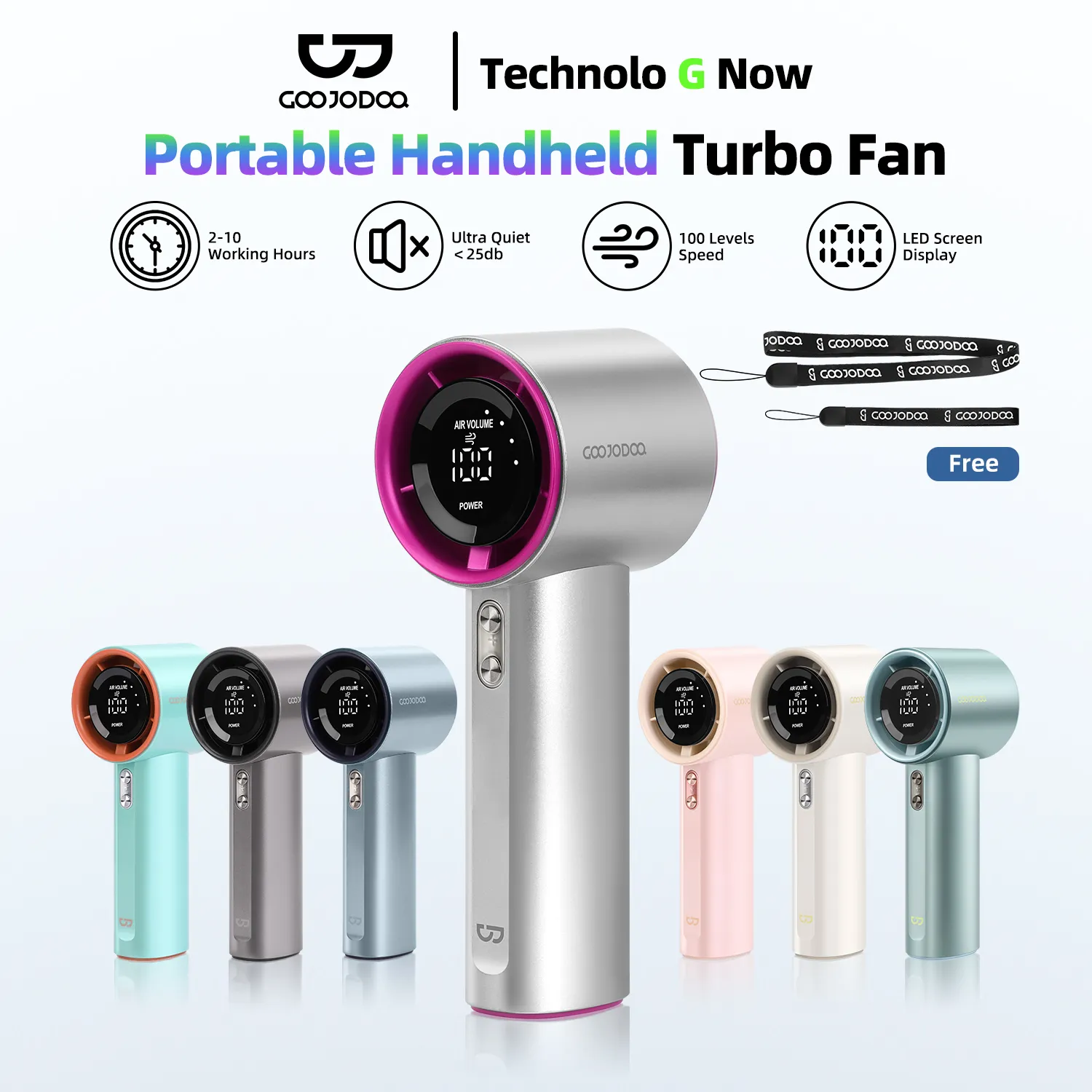
On one side, you have the small turbo fan. This isn’t your lola’s old electric fan. It’s a compact powerhouse, engineered to create a strong, focused vortex of air that can make a stuffy room feel alive again. It has quickly become a favorite for condo dwellers and those working from home in small spaces.
On the other side is the air cooler, a familiar sight in Pinoy homes for years. It’s the dependable middle ground between a simple fan and a power-hungry air conditioner. Using water and the principle of evaporation, it promises to do what a fan cannot: actually lower the temperature of the air it blows out.
Beyond the “Presko” Feeling: A Practical Breakdown
This article is more than just a simple comparison. We are here to give you the practical, no-nonsense information you need to make the best decision for YOUR budget and YOUR home. We’ll dive deep into the factors that truly matter to the everyday Filipino.
We will break down the real cost of running each appliance, looking at electricity consumption (gastos sa kuryente). We’ll compare the upfront price tags and the hidden costs of maintenance (“alaga”). Most importantly, we’ll analyze which one performs better in the unique, often humid, conditions of the Philippines. By the end, you’ll know exactly which cooling solution is “mas bagay” for you.

Understanding the Small Turbo Fan: The Power of Circulation
Let’s get one thing straight right away: a small turbo fan is not a mini air conditioner. Its magic doesn’t come from chilling the air. Instead, its primary job is to fight that sticky, stagnant feeling—what we Filipinos call “kulob”—by moving air with incredible efficiency. It’s a master of circulation, not refrigeration.
Think of it as the modern, supercharged cousin of your trusty electric fan. While a standard fan casts a wide, gentle breeze, a small turbo fan gathers air and shoots it out in a powerful, focused stream. This is the key to understanding its real value in our 2025 tropical climate.
How Does It Create Such a Strong Breeze?
The secret lies in its design, which is often inspired by jet engine technology. It’s not just about spinning blades; it’s about smart aerodynamics that work together to create a phenomenon you can feel across the room.
- Deep-Pitched Blades: Unlike the flatter blades of a regular fan, a turbo fan’s blades are deeply curved. This aggressive design allows them to grab significantly more air with each rotation, acting like a powerful scoop.
- Conical Air Duct (Vortex Creation): The fan is housed in a special cone-shaped casing. This duct funnels the captured air, compressing it and creating a vortex. This process straightens the airflow into a tight, spiraling column that maintains its integrity over a distance.
- High-Velocity Jet Stream: The result is a high-velocity jet of air that can travel much farther—sometimes up to 20 meters or more—than the breeze from a conventional fan. It’s designed to bounce off walls and ceilings to create a continuous, whole-room flow of air, eliminating dead spots.
This powerful circulation is what creates the “wind chill” effect. The moving air helps the sweat on your skin evaporate faster, which is your body’s natural cooling mechanism. So, while the room’s thermometer won’t show a lower temperature, you will feel significantly cooler and more “presko.”
Its Real Job: Circulation, Not Cooling
It is absolutely crucial to manage your expectations. If you’re looking for a device to lower the actual temperature in your room by several degrees, a small turbo fan is not the right tool for that specific job. Its purpose is different but arguably just as important in the Philippine heat.
The Anti-“Kulob” Specialist
Stagnant air is a huge problem in many Filipino homes, especially in smaller condos, city apartments, or rooms with limited windows. This trapped air heats up throughout the day, absorbing warmth from the walls and electronics, making the space feel stuffy and suffocating. A small turbo fan directly attacks this problem. By keeping the air in constant motion, it prevents hot spots from forming and makes the entire room feel fresher and more breathable.
It doesn’t create cold air; it makes the air you already have feel much more comfortable to be in. This is a fundamental difference to keep in mind when comparing it to an air cooler.
Why Filipinos are Choosing the Small Turbo Fan
Understanding how it works reveals its three biggest advantages, which align perfectly with the needs and budget of the practical Filipino household in 2025.
1. Ultimate Portability and Small Footprint
Space is a premium. Whether you’re in a studio unit in BGC or a modest bedroom in Quezon City, you can’t afford bulky appliances. Small turbo fans are incredibly compact and lightweight. You can easily move it from your desk while working from home to your bedside table at night, or even aim it towards the kitchen while cooking. It doesn’t dominate a room; it discreetly serves it.
2. Unbeatable Energy Efficiency (Ang Laking Tipid sa Kuryente!)
This is perhaps its most compelling feature. With electricity prices being a constant concern, energy consumption matters immensely. Small turbo fans are engineered for maximum airflow with minimum power. A typical unit might consume as little as 25 to 40 watts of power, even at higher settings. To put that in perspective, that’s often less than a single old-school incandescent light bulb. Compared to the hundreds of watts an air cooler or aircon can draw, the savings on your Meralco bill can be substantial over a hot summer.
3. A Perfect Partner for Your Aircon
Here is a practical tip for those who already own an air conditioner. Do you find yourself setting the AC to a frigid 18°C just to feel the cold air in the far corner of the room? A small turbo fan can solve this inefficiency. Place it in the room to help circulate the cold air produced by your aircon. You can then set your AC to a more energy-efficient temperature (like a comfortable 23-25°C) and let the fan distribute the coolness evenly. This tag-team approach can lead to significant energy savings without sacrificing comfort.

Understanding the Air Cooler: Bringing a Cool Breeze Indoors
Unlike a fan that simply moves existing air around, an air cooler genuinely lowers the temperature in a room. Its secret lies in a simple yet effective natural process: evaporative cooling. Think of it as creating your own personal, localized “habagat” breeze. It offers a tangible drop in temperature that a fan cannot, but this cooling power comes with specific requirements that every Filipino homeowner must consider, especially concerning water, maintenance, and our country’s notorious humidity.
How an Air Cooler Actually Chills Your Space
The magic behind an air cooler isn’t complicated technology; it’s basic science that mimics the way our own bodies cool down with sweat. The process is a continuous cycle that actively chills the air passing through the unit.
The Step-by-Step Cooling Process:
- Step 1: Water Circulation. A small internal pump draws water from a built-in tank at the bottom of the unit.
- Step 2: Soaking the Pad. This water is then pumped up and trickled over a special cooling pad, often a honeycomb-shaped filter, keeping it constantly saturated and wet.
- Step 3: The Evaporation Magic. A powerful fan at the back of the unit pulls in the hot, dry air from your room. As this air is forced through the wet cooling pad, the water on the pad evaporates.
- Step 4: Heat Absorption. For water to turn from liquid to gas (evaporate), it needs energy. It takes this energy in the form of heat from the air. The result? The air that comes out the other side is significantly cooler.
Many units also come with an ice pack compartment. Adding ice or frozen packs to the water tank can give the process an extra boost, making the water colder and resulting in an even chillier breeze. However, this effect is temporary and lasts only as long as the ice does.
Key Characteristics: A Different Kind of “Presko”
An air cooler changes the very quality of the air it blows. Understanding its main characteristics is crucial to know if it’s the right kind of “presko” (fresh and cool) for you.
A Real, Measurable Temperature Drop
This is the air cooler’s main advantage. In ideal conditions, it can lower a room’s ambient temperature by a noticeable 3 to 8 degrees Celsius. On a scorching 35°C day in April, that can mean the difference between unbearable heat and comfortable relief. This is a cooling effect you can feel instantly, not just perceived coolness from moving air.
It’s a Natural Humidifier
Because the process involves water evaporation, an air cooler naturally adds moisture to the air. During the peak dry season (from March to early May), this can be a welcome feature. It can help combat the dry air that irritates sinuses and skin. But this feature has a significant downside in the Philippine climate. During the rainy season, when ambient humidity can already exceed 80% according to PAGASA, adding more moisture can make the air feel heavy, damp, and “malagkit” (sticky).
The Real-World Demands: What Owning an Air Cooler is Really Like
While the cooling is a major plus, the day-to-day reality of using an air cooler involves tasks that a simple fan owner never thinks about. These are practical considerations that directly impact your convenience and budget.
The Constant Need for Water
An air cooler is thirsty. On a hot day, a medium-sized unit might consume its entire water tank in 8 to 10 hours. This means you have the daily chore of refilling it, sometimes more than once. This isn’t just a minor inconvenience; it’s a commitment. Forgetting to refill it means the unit will just operate as a regular, and often weaker, fan.
Maintenance is Non-Negotiable
That water-soaked pad is the heart of the cooler, but it’s also a potential breeding ground for mold, mildew, and bacteria if neglected. This can lead to a musty, “amoy kulob” smell and can be a health risk for those with allergies or respiratory issues.
A practical cleaning schedule is essential:
- Every few days: Drain any remaining stale water from the tank and give it a quick wipe-down.
- Every two weeks: Perform a more thorough cleaning. This involves draining the tank completely, scrubbing it, and gently cleaning the cooling pads according to the manufacturer’s instructions.
This regular “general linis” is vital for the unit’s efficiency, longevity, and for ensuring the air you breathe is clean.
The Humidity Rule: Ventilation is Key
An air cooler’s effectiveness is inversely proportional to the humidity in the room. It works best when the air is dry. To make it work in our humid environment, proper ventilation is a must. You need to create airflow by slightly opening a window or a door. This allows the humid air produced by the cooler to escape and be replaced by fresher, drier air from outside. Using an air cooler in a sealed, poorly ventilated room will quickly raise the humidity to uncomfortable levels, defeating its purpose entirely.
The Ultimate Showdown: Small Turbo Fan vs. Air Cooler
When the 2025 heatwave hits, the real question isn’t just about staying cool, but how to do it smartly. Both the small turbo fan and the air cooler promise relief, but they deliver it in fundamentally different ways. The best choice for your home comes down to a head-to-head comparison of their performance, cost, and practicality in the uniquely humid Philippine setting. Let’s break down the real score.
Cooling Effect: The Battle for “Presko”
The single most important question is: which one will make you feel cooler? The answer is surprisingly complex, as they tackle the heat from two different angles.
The Small Turbo Fan: Master of Circulation
A small turbo fan is not an air conditioner. It does not lower the ambient temperature of your room by a single degree. Its power lies in creating a strong, focused column of air that creates a “wind chill effect.”
- How it feels: It provides an immediate sensation of being “presko” (fresh). By moving air rapidly across your skin, it speeds up the evaporation of sweat, which is your body’s natural cooling mechanism. It cuts through that stagnant, “kulob” (stuffy) feeling in a room.
- Best for: Targeted, personal cooling. It’s perfect when pointed directly at you while you’re working at your desk, sleeping in bed, or sitting on the sofa. It makes the existing air feel more comfortable.
The Air Cooler: The Humidifier That Cools
An air cooler, or evaporative cooler, actively tries to lower the room’s temperature. It pulls in hot, dry air, passes it through a water-soaked cooling pad, and blows out air that is genuinely a few degrees cooler.
- How it feels: You can feel a distinct difference in the temperature of the air it blows out compared to the rest of the room. It can reduce the temperature by a noticeable 2 to 4 degrees Celsius in ideal conditions.
- The Catch: This process, by its very nature, adds moisture to the air. This is a critical factor we’ll discuss later, especially for the Philippines.
Electricity Consumption (Kuryente Cost): Sino ang Mas Matipid?
For every Filipino household, the monthly Meralco bill is a major budget consideration. Here, the difference between the two appliances is not just small—it’s a game-changer. The small turbo fan is the undisputed champion of energy efficiency.
A Look at the Numbers (2025 Estimates)
Let’s assume an average electricity rate of ₱12 per kWh, a common figure for residential consumers in 2025.
Small Turbo Fan:
- Average Wattage: 35 – 60 Watts. Let’s use 50W for our calculation.
- Daily Cost (8 hours of use): (50W / 1000) x 8 hours x ₱12/kWh = ₱4.80 per day
- Estimated Monthly Cost: ₱4.80 x 30 days = ₱144.00
Air Cooler:
- Average Wattage: 80 – 150 Watts (it has to power both a fan and a water pump). Let’s use a conservative 120W.
- Daily Cost (8 hours of use): (120W / 1000) x 8 hours x ₱12/kWh = ₱11.52 per day
- Estimated Monthly Cost: ₱11.52 x 30 days = ₱345.60
The Verdict on “Kuryente”
The numbers don’t lie. An air cooler can easily consume more than double the electricity of a small turbo fan. If your primary goal is to find the most “matipid” (economical) solution to beat the heat, the small turbo fan wins by a landslide. It offers comfort without causing a major spike in your electricity bill.
Initial Cost & Maintenance: Budget and “Alaga” Factor
Beyond the monthly electricity bill, you have to consider the upfront cost and the effort required to keep the unit running properly. This is the “alaga” (care) factor.
Upfront Investment
- Small Turbo Fan: Generally more affordable. You can find reliable models in the ₱1,500 to ₱3,500 price range. They are a low-barrier entry into better air circulation.
- Air Cooler: A significantly higher investment. Expect to pay anywhere from ₱4,000 to ₱8,000+ for a decent personal-sized unit.
The Maintenance Reality
This is where the user experience drastically diverges.
Small Turbo Fan Maintenance:
- Effort Level: Extremely Low.
- Tasks: A simple wipe-down (“punas-punas lang”) to remove dust from the grilles and blades every few weeks is all it takes. There are no water tanks to refill or filters to clean.
Air Cooler Maintenance:
- Effort Level: High and consistent.
- Tasks:
- Daily: The water tank needs to be refilled, sometimes multiple times a day during heavy use.
- Weekly: The water tank must be drained and thoroughly cleaned to prevent the growth of “lumot” (algae), slime, and harmful bacteria. Neglecting this can lead to musty, unhealthy air being circulated in your room.
- Monthly/Seasonally: The cooling pads need to be cleaned of mineral deposits and dust. Eventually, these pads will degrade and require replacement.
If you prefer a “set it and forget it” appliance, the small turbo fan is your ally. The air cooler demands a routine commitment to cleaning and refilling that not everyone is willing to make.
Space and Environment: The Humidity Hurdle
This is perhaps the most crucial factor for anyone living in the Philippines. Our tropical climate’s high humidity dramatically affects how these two appliances perform.
The Humidity Problem for Air Coolers
Evaporative cooling works best in hot, DRY climates because there’s a lot of room for the air to absorb water vapor. In the Philippines, where the relative humidity often sits between 70% and 90%, the air is already saturated with moisture.
What this means:
- Reduced Efficiency: An air cooler’s ability to lower the temperature drops significantly when the air is already humid. The 2-4 degree drop you hope for might become a barely noticeable 1-degree change.
- The “Malagkit” Feeling: Instead of feeling “presko,” an air cooler can make a poorly ventilated room feel even more “malagkit” (sticky and damp). It’s adding more moisture to already moist air.
- Ventilation is a MUST: For an air cooler to work properly in our climate, it absolutely requires cross-ventilation. You need to place it near an open window or door to draw in fresh air and have another opening on the other side of the room to let the humid air escape. Without this, you’re just creating a mini-sauna.
Where the Small Turbo Fan Shines
A small turbo fan is humidity-agnostic. It works just as well whether the humidity is 50% or 90%. Its job is simply to move air, and in a humid environment, that air movement is critical for comfort and preventing that sticky, stagnant feeling. It doesn’t add any moisture to the room, making it a safer and often more comfortable choice for small, enclosed spaces like condos and bedrooms.
The Final Word on Space
- For small condos, dorms, and WFH desks: The small turbo fan is the clear winner. Its small footprint and effectiveness in enclosed spaces without adding humidity make it the practical choice.
- For larger, well-ventilated living areas or lanais: An air cooler can be a viable option, *if* you can provide the necessary cross-ventilation. It can offer a slight cooling edge over a fan in these specific conditions.

Scenario Guide: Alin ang Para Sa’yo? (Which One is for You?)
Okay, we’ve broken down the technology and the costs. Now comes the most important part: deciding which cooling appliance fits your life, your home, and your wallet. The truth is, there’s no single “best” choice; there’s only the right choice for you. Let’s get practical and map this out based on real-life Filipino situations in 2025.
Think of this as your personal “diskarte” guide to beating the heat. We’ll look at common scenarios to help you pinpoint exactly which machine will give you the most comfort for every peso spent.
Go for the Small Turbo Fan If…
The small turbo fan is the champion of efficiency and personal space. It’s a focused, no-frills solution. You should seriously consider it if you find yourself nodding along to any of these points:
H4: Your Meralco Bill Gives You Anxiety
Let’s be honest, seeing that orange Meralco bill in 2025 can be a stressful moment. If your primary goal is to find the absolute most “matipid” (economical) way to stay cool, the small turbo fan is your undisputed winner. We’re talking rock-bottom energy consumption.
- The Numbers Don’t Lie: A typical small turbo fan consumes a mere 30 to 50 watts. Compare that to an air cooler (80-150 watts) or a window-type aircon (700-1500+ watts). The difference in your monthly bill will be significant, not just a few pesos.
- Long Hours, Low Cost: You can run a turbo fan for your entire 8-hour work-from-home shift or all night long without dreading the impact on your “kuryente” (electricity). It’s the perfect companion for the budget-conscious.
H4: You Need a Personal “Presko” Bubble
This little powerhouse excels at creating a concentrated zone of comfort. It doesn’t cool the whole room; it cools YOU.
This makes it ideal for specific situations:
- The WFH Warrior: Is your workspace just a small desk in the corner of a room? Point a small turbo fan directly at you, and it will keep you cool and focused without wasting energy trying to cool the entire area.
- The Bedside Breeze: For many, a gentle but steady breeze is all that’s needed for a comfortable night’s sleep. A small turbo fan placed on a nightstand can provide that perfect airflow without the noise or high cost of a larger appliance.
- The Student’s Study Buddy: Late-night study sessions for college or board exams require focus. A turbo fan provides a silent, powerful stream of air that keeps you awake and comfortable without breaking a student’s budget.
H4: You Live in a “Shoebox” (AKA a Studio Condo)
Space is a luxury, especially in Metro Manila. If you’re living in a compact studio unit, a small condo, or a crowded dorm, every square inch matters. The small footprint of a turbo fan is a huge advantage.
It’s small enough to sit on a desk, a small stool, or a shelf, leaving your precious floor space free. A bulky air cooler, on the other hand, can feel like an extra piece of furniture you simply don’t have room for.
H4: Your Aircon Needs a Helping Hand
This is a pro-level “diskarte” move. Do you already have an air conditioner but find it struggles to cool the entire room evenly? Or maybe you want to save money by not running it on full blast all the time?
Enter the small turbo fan. Place it strategically in your room to help circulate the cold air produced by your AC. This simple trick helps distribute the coolness faster and more effectively, allowing you to turn your aircon to a higher temperature or a lower fan setting, directly saving you a significant amount on electricity.
Choose the Air Cooler If…
An air cooler is for those who crave more than just moving air. It’s for people who want to feel a tangible drop in the room’s temperature, even if it’s just by a few degrees. But this power comes with a few conditions.
H4: You Need a Real Temperature Drop (Without the Aircon Price Tag)
If the feeling of circulating room-temperature air from a fan just isn’t cutting it during the peak of summer, an air cooler is your next logical step up. It’s the middle ground between a simple fan and a power-hungry aircon.
The evaporative cooling process genuinely chills the air it blows out. On a scorching 34°C day, the breeze from an air cooler can feel like a refreshing 29-30°C, a noticeable difference that provides real relief, not just the illusion of it.
H4: You Have a Well-Ventilated Room
This is the most critical, non-negotiable requirement for an air cooler in the Philippines. Our climate is naturally humid, and an air cooler works by adding *more* moisture to the air.
Without proper ventilation—like an open window or a door leading to an open space—that moisture gets trapped. This creates a “kulob” environment: that damp, sticky, and stuffy feeling where mold and mildew can thrive. A well-ventilated space allows the moist air to circulate and escape, making the cooling effect pleasant and healthy.
H4: You Don’t Mind a Little “Alaga” (Maintenance)
An air cooler is not a “plug and play” device like a fan. It requires a bit of a routine. You need to be the type of person who is okay with a few simple chores:
- Daily Water Refills: The water tank is its lifeblood. On a hot day, you might need to refill it once or even twice. You can also add ice packs for an extra cooling boost.
- Weekly Cleaning: To prevent the growth of mold, mildew, and bacteria that can be harmful when blown into the air, you must commit to cleaning the water tank and cooling pads regularly. It’s a small price to pay for cool, clean air.
If you see these tasks as a hassle, an air cooler is not for you. But if you view it as simple upkeep for better comfort, then you’re a perfect candidate.

Conclusion: Making the Smart Choice for a Cooler Home
So, we’ve broken down the specs, the science, and the savings. After all the comparisons, the final decision on whether a small turbo fan or an air cooler is “mas bagay” for your home isn’t found on a spec sheet. It’s found by looking at your room, your wallet, and your tolerance for the relentless 2025 Philippine heat.
The Final Verdict: Your Needs Dictate the Winner
Let’s be direct: there is no single “best” appliance. The champion of this showdown is entirely dependent on your personal situation. What works wonders for your friend’s studio condo in BGC might be a poor choice for your family’s living room in Quezon City.
The choice boils down to a trade-off between the *feeling* of cool versus a *measurable* drop in temperature, and how much you’re willing to pay for it, both upfront and on your monthly Meralco bill.
A Quick Recap: The Core Differences at a Glance
To make it even simpler, here’s the ultimate cheat sheet:
- Cooling Effect: A small turbo fan excels at creating a powerful, concentrated airflow that provides immediate relief and a “presko” feeling by improving air circulation. An air cooler, on the other hand, uses water evaporation to genuinely lower the ambient air temperature by a few degrees, blowing out a noticeably colder breeze.
- Cost & Kuryente: The small turbo fan is the undisputed king of “matipid.” It has a lower purchase price and consumes significantly less electricity, making it a budget-friendly choice for long-term use. An air cooler costs more to buy and run, but remains a more energy-efficient alternative to a full-blown air conditioner.
- Maintenance & Convenience: A turbo fan is virtually “plug-and-play,” requiring only occasional dusting. An air cooler demands more commitment: regular water refills (sometimes with ice), and crucial periodic cleaning of the tank and cooling pads to prevent mold and that dreaded “amoy kulob” or musty smell.
- Environmental Impact: The turbo fan works in any environment. The air cooler’s performance is heavily tied to humidity. It performs best in well-ventilated spaces and can struggle in a small, sealed room, where it might just make the air feel more humid and sticky.
So, Alin ang Mas Bagay Para Sa’yo?
Let’s map this out into real-life scenarios you might be facing right now.
Go for the Small Turbo Fan if…
You are a student in a dorm, a professional in a compact condo, or anyone for whom space is a premium. If your primary goal is to keep your electricity bill as low as humanly possible, this is your device. It’s also the perfect partner for an existing aircon, helping to circulate the cold air much more efficiently and allowing you to raise the AC’s thermostat, saving even more money.
Choose the Air Cooler if…
You need more than just air movement. If the goal is to actually reduce the temperature in a medium-sized, well-ventilated room without bearing the financial brunt of an aircon, an air cooler is a solid middle ground. This is for those who find a regular fan insufficient and are prepared for the routine of refilling and cleaning to get that refreshingly chilled air.
Your Next Step to a ‘Presko’ 2025
Before you click “add to cart,” take a moment. Look at the space you want to cool. Is it a small personal area or a larger shared room? Open a window. Is there good airflow? Now, think about your budget, not just for the purchase but for the next six months of electricity bills.
Ultimately, choosing between a small turbo fan and an air cooler is an investment in your comfort and well-being. By understanding their fundamental differences and aligning them with your unique needs, you’re no longer just buying an appliance; you’re crafting a personalized strategy to conquer the heat.
Armed with this knowledge, you can make an informed decision that will keep you, your family, and your budget cool and comfortable through the most intense heatwaves of the year. Stay cool, Pilipinas!
Sale
- 3-Month Extended Replacement Plan
GOOJODOQ Portable Fans High-Speed GFS006
Original price was: ₱869.00.₱830.00Current price is: ₱830.00. Select options This product has multiple variants. The options may be chosen on the product pageSale
- 3-Month Extended Replacement Plan
GOOJODOQ High Speed Handheld Fan GFS001
Original price was: ₱827.40.₱680.00Current price is: ₱680.00. Select options This product has multiple variants. The options may be chosen on the product pageSale
- 3-Month Extended Replacement Plan
GOOJODOQ High Speed Mini Fan GFS007
Price range: ₱520.00 through ₱580.00 Select options This product has multiple variants. The options may be chosen on the product pageSale
- 3-Month Extended Replacement Plan
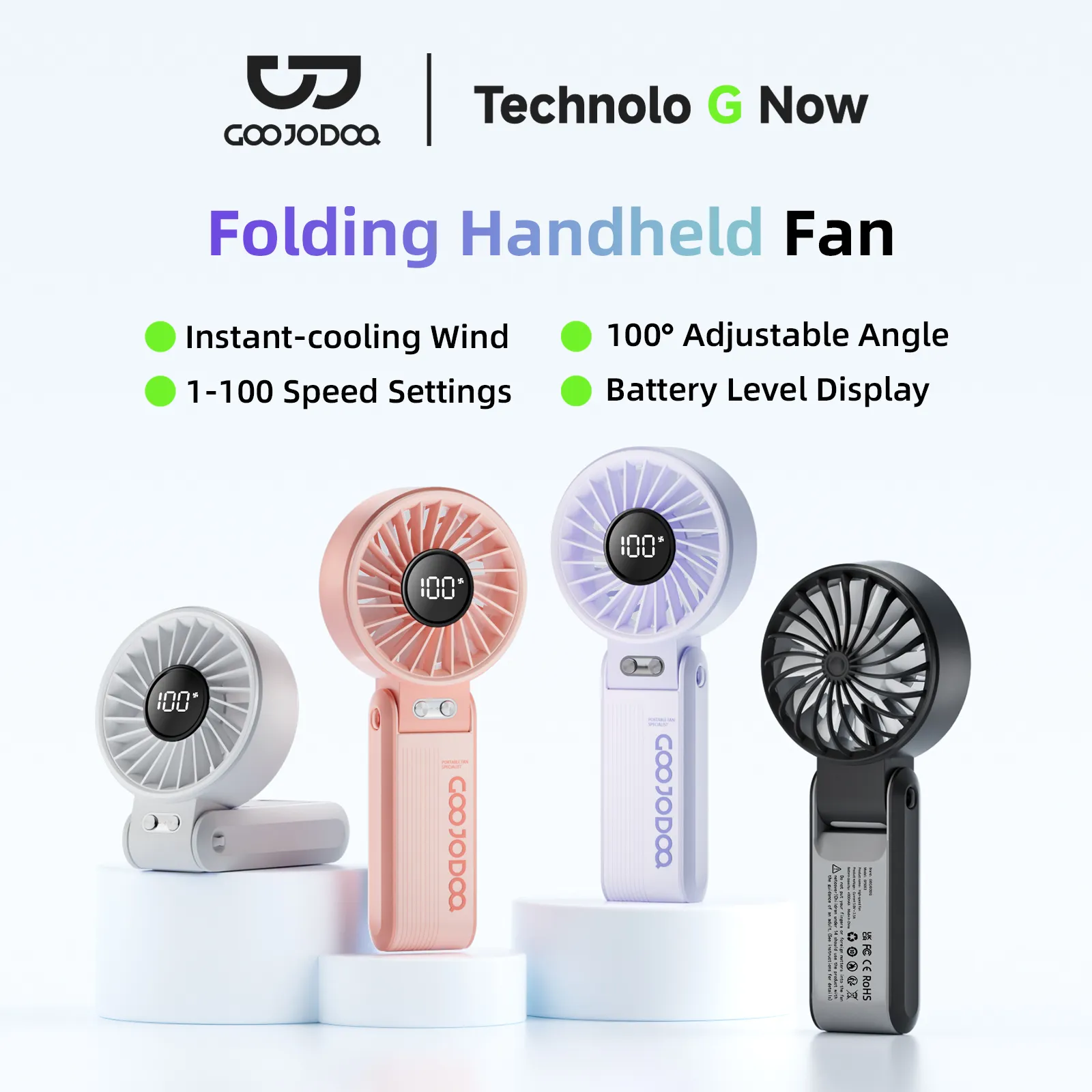
GOOJODOQ Foldable Portable Fan GFS003
Original price was: ₱523.95.₱489.00Current price is: ₱489.00. Select options This product has multiple variants. The options may be chosen on the product page
09Apr


 29Apr
29Apr
 30Apr
30Apr