







 09Apr
09Apr
Beating the Philippine Heat and the ‘Budol’ Urge
Let’s be real. It’s that familiar time of day in the Philippines. The sun is relentless, the air is thick enough to swim through, and your old, trusty bentilador is just pushing hot air around. What’s the first instinct for many of us in 2025? We grab our phones, open Shopee or Lazada, and the endless scroll begins.
That’s when you see it: a sleek, compact, and surprisingly powerful-looking fan. The price is tempting. The reviews are glowing. The “Add to Cart” button is calling your name. You’ve just been hit by the ‘budol’ urge.
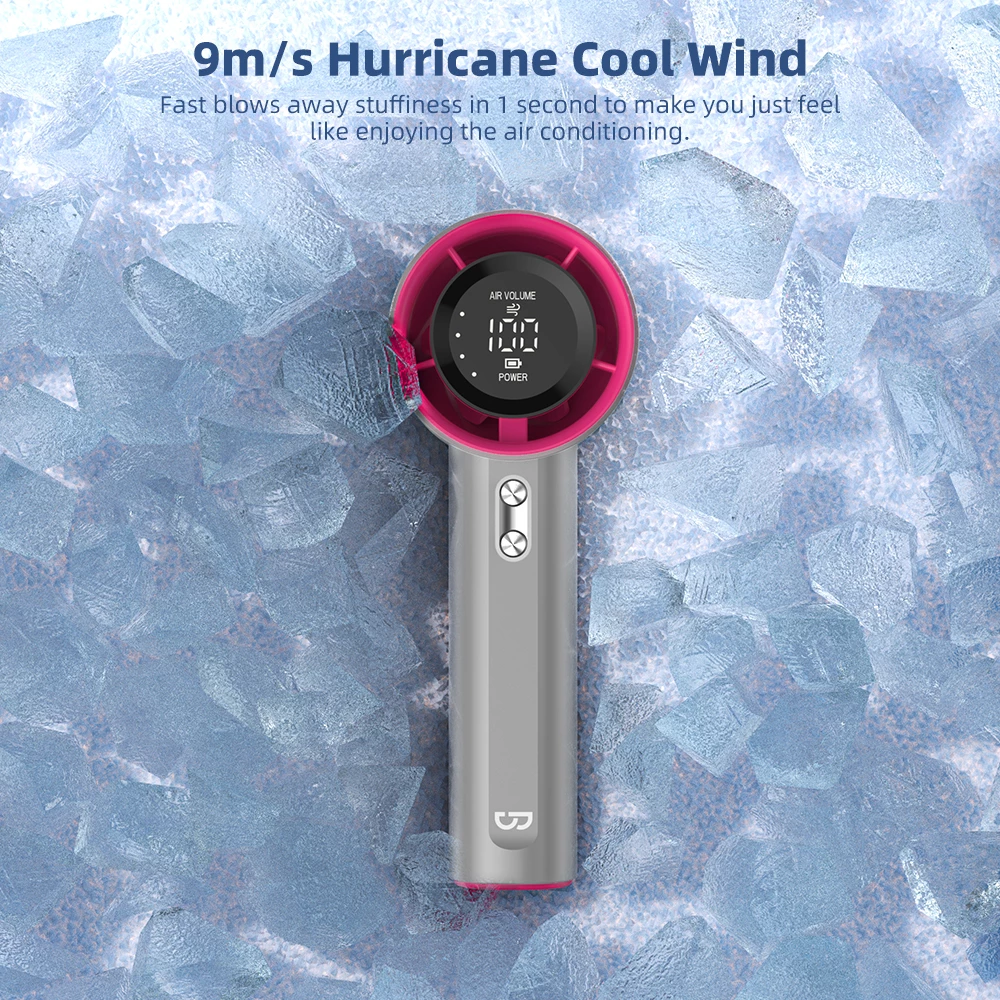
Enter the small turbo fan, the reigning king of impulse buys and arguably the most practical ‘budol find’ for our tropical climate. These aren’t just scaled-down versions of your standard electric fan. They are potent air circulators designed to create a cooling vortex, offering a powerful blast of relief that defies their small size.
From Impulse Buy to ‘Sulit’ Investment
But here’s the catch: the online marketplace is now flooded with countless models that all look the same. A cheap ‘budol’ can quickly turn into a waste of money—a noisy, flimsy fan that barely lasts a season. How do you find one that’s genuinely ‘sulit’ (worth it)?
That’s where we come in. We felt the same heat and faced the same overwhelming choices. So, we did the work for you. We didn’t just scroll through listings; we got our hands on the most popular models of 2025 and put them through a series of real-world tests.
This guide is the result of that testing. We’re here to cut through the marketing noise and show you exactly what to look for—from airflow efficiency to noise levels and energy consumption. Our goal is to transform your next potential impulse buy into a smart, informed decision that will keep you cool for years to come.

What Makes a Small Fan a ‘Turbo’ Fan? (And Why You Need One)
Let’s be honest. When the punishing Philippine heat hits, our first instinct is to find the nearest electric fan. But scrolling through your Shopee or Lazada feed in 2025, you’ve probably noticed that not all small fans are created equal. The term ‘turbo fan’ is everywhere, and it’s not just a marketing gimmick. This is a completely different beast from the classic ‘bentilador’ we all grew up with.
Understanding this difference is the first step in turning a potential ‘budol’ regret into one of the most ‘sulit’ purchases you’ll make all year.
It’s Not Your Lola’s Old ‘Bentilador’
Think about the standard electric fan, the one that’s been a staple in every Pinoy household for decades. Its goal is simple: blow air directly at you. The blades are wide and designed to chop through the air, creating a wide but relatively weak breeze that you can only feel if you’re sitting right in front of it. It provides temporary relief but does very little for the overall temperature and stuffiness of a room.
A small turbo fan, often called an air circulator, has a much bigger mission. Its purpose isn’t just to cool you down, but to cool the entire room down by creating constant, whole-room air movement.
The Secret is in the Science: Vortex Action
So, what’s the magic? It all comes down to how it moves air. Instead of a wide, weak spray of air, a turbo fan uses a unique combination of a deep, shrouded housing and specially designed blades to create a focused, high-velocity column of air. This column spins as it travels, a phenomenon known as vortex action.
Imagine a gentle, invisible tornado shooting across your room. This powerful beam of air can travel much farther than the breeze from a regular fan. When it hits a wall or ceiling, it bounces off, circulating all the air in the space—hot air near the ceiling, cool air near the floor—until the entire room’s temperature is balanced and comfortable.
Why Every Filipino Home Needs This Pint-Sized Powerhouse in 2025
This technology isn’t just a cool party trick; it’s perfectly suited for the challenges of the Filipino climate and modern living.
Beat the Humidity and ‘Kulob’ Feeling
You know that heavy, stagnant, ‘kulob’ feeling, especially during the rainy season when you can’t open windows? That’s a classic sign of poor air circulation. A standard fan just pushes that same humid air around. A turbo fan, however, keeps the air in the entire room in constant motion. This continuous circulation helps to disrupt moisture buildup, making the room feel significantly less stuffy and more breathable, even if the actual temperature hasn’t changed.
Your Aircon’s New Best Friend (Hello, Meralco Savings!)
This is where a turbo fan truly proves its worth. An air conditioner’s biggest challenge is distributing the cold air it produces. Often, you get cold spots right under the AC unit while the other side of the room remains warm. By placing a turbo fan strategically, you can circulate that precious cold air throughout the entire space efficiently. This means your AC’s thermostat will register the target temperature faster, causing the compressor to work less. The result? You can set your AC to a higher temperature (say, 25°C instead of 22°C) while feeling just as cool. Over a month, that translates to very real, very welcome savings on your Meralco bill.
Maximum Power, Minimalist Footprint
Space is a premium, especially in city condos and modern townhouses. A traditional stand fan can be bulky and an eyesore. Small turbo fans deliver surprising power from a compact, often beautifully designed package. Their small size means you can place them on a desk, a shelf, or discreetly in a corner without disrupting your home’s aesthetic.
Decoding the ‘Budol’: Why Are These Fans All Over Your Feed?
There’s a reason these little fans have achieved “budol find” status online. It’s a perfect storm of factors that makes hitting “add to cart” almost irresistible:
- Aesthetics and Aspiration: Many models feature a minimalist, clean design that fits perfectly with the popular Scandinavian or Japanese-inspired interiors. They look more like a piece of modern tech than a simple appliance.
- The Power-to-Size “Wow” Factor: The first time you turn one on, it’s genuinely surprising. Seeing such a powerful gust of wind come from a tiny device creates an immediate impression of value and advanced technology.
- The Price is Right: While high-end models exist, a huge number of very effective small turbo fans are priced accessibly. They sit in that sweet spot where it feels like an affordable upgrade to a household essential, making it an easy impulse buy.
But the goal isn’t just to buy one; it’s to buy the *right* one. Now that you understand what makes a turbo fan special, let’s dive into the specific features we tested to help you make the smartest ‘budol’ decision of 2025.

The 2025 Buyer’s Checklist: 5 Key Features We Tested
That “add to cart” button is tempting, we know. But a true ‘budol’ master doesn’t just buy on impulse; they buy smart. To separate the genuinely ‘sulit’ (worth it) finds from the duds, we didn’t just look at pretty pictures. We created a rigorous checklist based on what truly matters for a small turbo fan in a Filipino home. This is the exact criteria we used, and it’s what you should use to make your next purchase a no-regret decision.
1. Airflow Power vs. Size (The CFM Secret)
The first thing everyone looks at is the size. It’s easy to assume that a bigger fan or more blades automatically means more ‘hangin’. In our 2025 testing, we can confirm this is one of the biggest myths. What you really need to look for is the CFM rating.
What is CFM and Why Does It Matter More?
CFM stands for Cubic Feet per Minute. Forget the technical jargon for a second. Think of it as the total *volume* of air the fan can move in one minute. A higher CFM means the fan is more effective at circulating air throughout your entire room, not just blowing air directly at your face.
A small, well-engineered turbo fan with a high CFM can easily outperform a larger, poorly designed fan. It’s the difference between feeling a focused, powerful breeze from across the room versus a weak puff of air that disappears after a few feet. When you see a CFM rating, you’re looking at the fan’s true engine power, not just its “body.”
For a typical bedroom or small condo living space (around 15-20 square meters), look for a fan that can deliver at least 300-500 CFM on its higher settings for effective circulation.
2. Energy Consumption (The Meralco Bill Test)
A powerful fan is great, but not if it makes your Meralco bill skyrocket. The beauty of modern small turbo fans is their efficiency. The key metric here is wattage (W). The lower the wattage, the less electricity it consumes.
But here’s the pro-tip: never look at wattage in isolation. You have to compare it with its power. This is what we call the ‘sulit ratio’.
Finding the ‘Sulit’ Ratio: High CFM, Low Wattage
The ultimate goal is to find a fan that gives you the highest possible CFM for the lowest possible wattage. A fan that uses only 30 watts but delivers a powerful 500 CFM is a much smarter buy than a 50-watt fan that struggles to produce the same airflow.
During our tests, we noticed the best models of 2025 are incredibly efficient. They are designed to work for hours without making you anxious about your next electricity bill. Always check the product specifications for the wattage before you even think about checking out. Your future self will thank you.
3. Noise Levels (The WFH and Midnight Test)
Remember that old, rattling ‘bentilador’ from your childhood? The one that sounded like a helicopter was about to take off? Those days are over. In our modern world of Zoom meetings, online classes, and light sleepers, a quiet fan is non-negotiable.
A fan’s noise level is measured in decibels (dB). While not all brands list this, you can get a good idea from user reviews. For reference:
- 20-30 dB: This is whisper-quiet. Ideal for sleeping or placing on your work desk. You’ll barely know it’s there, apart from the cool breeze.
- 35-45 dB: This is like a quiet library. Noticeable but not intrusive. Perfectly fine for general living room use.
- 50+ dB: This gets distracting. It might be okay on the highest setting for a quick cool-down, but it’s not something you want running constantly during a meeting.
We specifically tested fans on their lowest settings. The best ‘budol finds’ are the ones that can provide a gentle, silent breeze for overnight use, ensuring your sleep is both cool and uninterrupted.
4. Build Quality and Safety Features
A ‘budol find’ is only a good deal if it lasts. ‘Yung hindi sira agad pagkatapos ng isang buwan.’ We paid close attention to the small details that signal a well-made product versus a cheap, disposable one.
What to Check For:
Stable Base: The fan should not wobble or threaten to tip over, even at its highest speed. A heavy, sturdy base is a must, especially if you have pets or kids running around.
Durable Materials: Look for fans made from high-quality ABS plastic or metal components. Flimsy, thin plastic is a red flag. It should feel solid and well-put-together, not creaky.
Secure Fan Grill: This is a crucial safety feature. The gaps in the grill should be small enough that little fingers (or curious paws) cannot get through. The grill itself should be firmly attached and not easy to pop off.
A well-built fan is an investment in both durability and peace of mind.
5. Modern Conveniences (The 2025 Standard)
Finally, what separates a good fan from a great one are the features that make your life easier. In 2025, many of these “premium” features are now becoming standard in affordable, high-value models.
We prioritized fans that offered a combination of the following:
- Multi-directional Oscillation: The best turbo fans don’t just swing left and right. They also tilt up and down, sometimes automatically. This creates a truly dynamic airflow that circulates air in the entire room, from floor to ceiling.
- Remote Control: A small but life-changing feature. Being able to adjust the speed or turn off the fan from your bed or desk is a convenience you won’t want to live without.
- Timer Function: Perfect for falling asleep. You can set the fan to automatically turn off after a few hours, saving energy and ensuring you don’t get too cold in the middle of the night.
- Multiple Speed and Wind Modes: Look for more than just low-medium-high. Many 2025 models offer ‘Sleep’ modes (ultra-quiet), ‘Natural Wind’ modes (mimicking a natural breeze), or ‘Turbo’ modes for a quick blast of cool air.
These features are the icing on the cake, turning a simple appliance into a smart and responsive part of your home comfort system.

Matching the Fan to Your Space: Finding Your Perfect ‘Budol’
Okay, so you’re convinced a small turbo fan is the answer to surviving the 2025 heatwave. But here’s the reality check: the fan that’s perfect for a 20-square-meter condo in BGC might be a terrible choice for a student’s study desk in Katipunan. Not all turbo fans are created equal.
This is where smart ‘budol’ shopping comes in. It’s not about grabbing the first fan you see on a flash sale. It’s about matching the fan’s features to your actual, everyday life. We broke down the most common Filipino use-cases to help you pinpoint exactly what you should be looking for. Consider this your personalized guide to “add to cart” with confidence.
For the Condo Dweller: The Circulation Champion
Living in a condo means every square foot is precious. But it also often means dealing with stale, trapped air. For you, a small turbo fan isn’t just for cooling; it’s a vital tool for air circulation.
Why Multi-Directional Oscillation is Non-Negotiable
The single most important feature for a condo fan is its ability to move air in every direction. Think of your space as a box. A standard fan just pushes air in a straight line, leaving hot spots in the corners. A true air circulator is different.
Look for models that offer both horizontal (side-to-side) and vertical (up-and-down) oscillation. When both are engaged, the fan creates a vortex-like effect, bouncing air off walls and the ceiling. This is the secret to eliminating that “kulob” or stuffy feeling. In our tests, fans with this feature were able to make an entire room feel uniformly cooler, even when placed in a corner.
The Ceiling Bounce Hack
Here’s a pro-tip: point the fan upwards towards the ceiling. This allows the cool air to circulate down the walls and across the floor, creating a more gentle and widespread cooling effect. It’s far more effective than just aiming it directly at yourself and is the key to making your air conditioner work smarter, not harder.
For the Desk Worker or Student: Your Productivity Partner
Your workspace, whether it’s for a WFH job or late-night study sessions, is a sacred zone. The last thing you need is a fan that’s noisy and distracting. For you, the fan must be a silent, unobtrusive partner in productivity.
The Gospel of Quiet Operation
Forget raw power; your priority is a low decibel (dB) rating. A noisy fan is more than just an annoyance—it’s a focus killer. Worse, a whiny motor can easily be picked up by your microphone during an important Zoom meeting or online class, which is anything but professional.
When you’re shopping online, look for terms like “silent,” “whisper-quiet,” or specific dB ratings on the lowest setting (anything under 30dB is excellent for a desk). The goal is to find a fan that produces a gentle, consistent hum (like white noise) rather than a rattling or high-pitched mechanical sound.
Power-Up Flexibility: The USB Advantage
In 2025, convenience is king. A small turbo fan with USB-power compatibility is a game-changer. It means you can plug it directly into your laptop, a power bank, or a standard wall adapter. This isn’t just about saving an outlet; it’s about portability and resilience. When the inevitable brownout hits, you can keep your cool by running the fan off your power bank for hours.
For the Budget-Conscious Family: The ‘Sulit’ Workhorse
When you’re buying for a family, you’re not just thinking about today; you’re thinking about the next Meralco bill and whether the appliance will survive the daily chaos of a busy household. The best fan for your living room is one that’s efficient, durable, and safe.
It’s All About the Meralco Bill: Wattage vs. Power
Don’t be fooled by a low price tag. The true cost of a fan is measured over its lifetime of use. The magic formula you’re looking for is a high CFM (airflow) rating combined with a low wattage. This is the ultimate “sulit” ratio. A fan that moves a lot of air while sipping electricity will literally pay for itself in energy savings compared to an inefficient, power-hungry model.
A good turbo fan can help you raise your air conditioner’s thermostat by a few degrees, and according to energy studies, every degree you raise it can save you a significant percentage on your cooling costs. That’s real savings for your family’s budget.
Built to Survive Toddlers and Daily Use
A cheap, flimsy fan is a waste of money. Look for models made from sturdy materials like high-grade ABS plastic that can withstand a few bumps. A wide, stable base is crucial to prevent it from being easily knocked over by kids or pets. Most importantly, inspect the fan grill. The gaps should be narrow enough that small fingers can’t get through—a non-negotiable safety feature for any family home.
For the Light Sleeper: The Silent Night Companion
For those who wake up at the slightest sound, the bedroom fan is a delicate balance. It needs to provide enough airflow to keep you from sweating through your sheets, but do so without making a racket. For you, the details matter immensely.
Beyond Low Decibels: The Quality of Sound
As we mentioned for desk workers, a low decibel rating is key, but for sleeping, the *type* of sound is just as important. You want a smooth, deep hum, not a buzzy, inconsistent one. Many modern fans in 2025 come with a “Sleep Mode” or an ultra-low “Level 1” setting that’s specifically engineered for this purpose—providing gentle air movement at a barely audible level.
Smart Features for Undisturbed Rest
Two features are your best friends here: a timer and dimmable lights. A timer function is essential. It allows you to fall asleep with a cool breeze but have the fan automatically shut off in the cooler, early morning hours. This prevents you from waking up shivering and saves electricity.
Also, pay attention to the control panel’s LED lights. There is nothing more irritating than a bright blue or green light piercing the darkness of your bedroom. The best fans for sleeping have indicators that dim significantly after a few seconds or can be turned off completely, ensuring your sleep sanctuary remains perfectly dark.

Unleash Your Fan’s Superpower: Pro-Tips for a Cooler Home
So you’ve found the perfect small turbo fan. You’ve unboxed it, plugged it in, and felt that powerful jet of air. But are you using it to its full potential? Probably not. We’re about to share some game-changing hacks that will turn your simple ‘budol find’ into the smartest appliance in your home, saving you money and keeping you genuinely comfortable.
The Ultimate ‘Aircon Partner’ Hack: Slash Your Meralco Bill
This is the number one reason a turbo fan is a non-negotiable in any Filipino home with an air conditioner. It’s not just about having another fan; it’s about making your AC smarter and more efficient. Let’s break it down, because this simple trick has a huge impact.
The Simple Science Behind the Savings
Ever notice how your AC-cooled room has cold spots and warm spots? You might be freezing near the aircon, but the person across the room is still sweating. That’s because cold air is dense and naturally sinks, pooling on the floor while warmer air rises.
Your aircon then works overtime trying to cool the entire space, but much of that icy goodness is just chilling uselessly by your feet. A turbo fan, which is technically an air circulator, completely changes this dynamic.
It creates a vortex-like column of air. This powerful, swirling motion pulls that dense, cold air from the floor and pushes it up towards the ceiling, circulating it throughout the entire room. This process, called whole-room circulation, eliminates hot spots and creates a uniform temperature from corner to corner.
How to Do It (The 2-Step ‘Sulit’ Method)
- Strategic Placement: Place your small turbo fan on the floor, ideally in a corner of the room opposite your air conditioner. Point it not at you, but towards the ceiling in the center of the room or at the opposite wall. This establishes a powerful, circular airflow pattern that gets the air moving.
- Adjust Your Thermostat: After a few minutes, you’ll feel the difference. The entire room will feel consistently cool. Now for the magic: you can raise your AC’s thermostat from a chilly 20°C to a more comfortable and energy-saving 24°C or even 25°C.
You won’t feel a difference in comfort, but your Meralco bill definitely will. According to energy studies, for every degree you raise your thermostat, you can save between 3-5% on your cooling costs. That adds up to significant savings every single month!
We tested this in a standard 15-sqm condo unit, and the effect was immediate. The room felt uniformly cool, and we could hear the AC compressor kicking in far less often. It’s a true win-win.
No Aircon? No Problem. Maximize Your Fan’s Cooling Power
Don’t have an air conditioner? Your small turbo fan is still your most powerful ally against the summer heat. It’s all about clever placement to create a breeze, improve ventilation, and make your space feel less stuffy and ‘kulob’.
Tip 1: Create a Cross-Breeze
This is a classic technique, supercharged by a turbo fan. If you have two windows, open them. Place your fan facing *out* of one window. This actively pushes the hot, stale air from inside your room out. This creates a pressure difference that then pulls in cooler, fresher air from the other open window. It’s basic physics, and it works wonders on a hot afternoon.
Tip 2: The Wall Bounce Technique
Resist the urge to point the fan directly at yourself. While it feels good for a moment, it only provides spot cooling. For whole-room comfort, aim the powerful, focused airflow at a wall. The air will hit the surface and disperse throughout the room, creating a more gentle, indirect, and widespread breeze. This is far more effective for actually cooling an entire space.
Tip 3: The Night Cooling Hack
In the Philippines, the evening air is often significantly cooler than the air trapped inside our homes. Take advantage of this. Place your fan on a windowsill or near an open window, facing *into* your room. This will actively draw the cooler night air inside, helping to lower the room’s ambient temperature while you sleep.
Keep Your ‘Budol’ Find Alive: Simple Cleaning & Maintenance
Let’s be real, we’ve all been guilty of letting our old ‘bentilador’ gather a horrifying amount of dust on its blades. Don’t let your new turbo fan suffer the same fate. A clean fan isn’t just about hygiene; a fan clogged with dust performs poorly and can become a fire hazard.
A thick layer of dust on the blades can unbalance them and put a strain on the motor, making it noisy, inefficient, and shortening its lifespan. Here’s a super simple routine to follow every few weeks to keep it in top shape.
Your 5-Minute Cleaning Checklist
- Safety First! Always Unplug: This is non-negotiable. Before a cloth or brush even touches the unit, unplug the fan from the wall socket.
- The Quick Dry Clean: For regular upkeep, use a soft microfiber cloth or a duster to wipe down the fan’s exterior and the grill. A vacuum cleaner with a brush attachment is your best friend for quickly sucking dust out of the grates without having to take anything apart.
- The Monthly Deep Clean: For more stubborn grime, check your user manual to see if the fan’s grill is removable—most modern ones are. If so, carefully detach it. You can wash the plastic grill with mild soap and water. Critically, make sure it is 100% bone-dry before reattaching.
- Blade Care: With the grill off, gently wipe each fan blade with a slightly damp cloth to remove any sticky dust. An old, clean toothbrush can be great for getting into tight corners around the motor housing, but never, ever get the motor itself wet.
- Check the Base: While you’re at it, wipe down the base and make sure all screws are tight. A wobbly fan is a noisy and inefficient fan.
By following these pro-tips, you ensure that your ‘budol’ purchase isn’t just a fleeting thrill. It becomes a hard-working, energy-saving appliance that will help you conquer the Philippine heat and stay comfortable for years to come.

Conclusion: Your Smartest ‘Budol Find’ This Year
That late-night scroll through Lazada or Shopee is a familiar ritual for many of us. You see a sleek, powerful-looking small turbo fan on a flash sale, and the ‘budol’ urge hits hard. It’s tempting, we get it. But after testing numerous models and analyzing what truly matters in the sweltering 2025 Philippine climate, we’ve reached a clear conclusion: the best small turbo fan isn’t the one with the biggest discount, but the one that perfectly fits your life.
Beyond the Price Tag: The True ‘Sulit’ Equation
Resisting that initial impulse to buy the cheapest option is your first step to a smarter purchase. True value—what we Pinoys call ‘sulit’—is an equation. It’s about balancing the upfront cost with long-term benefits.
A slightly more expensive fan with lower wattage might save you hundreds of pesos on your Meralco bill over a year. A fan with a robust, stable base won’t need replacing after a few months of use. It’s about shifting your mindset from “what’s the cheapest?” to “what’s the most worthwhile?”.
This guide was built to empower you to solve that equation for yourself. It’s about understanding that the key features—powerful airflow (CFM), energy efficiency (wattage), quiet operation (decibels), and overall build quality—are not just technical jargon. They are the variables that determine whether your new fan becomes a daily essential or a dusty corner regret.
From Impulse Buy to Essential ‘Kasam-bahay’
Think of a well-chosen small turbo fan as less of an appliance and more of a ‘kasam-bahay’—a reliable housemate that works hard to make your home more comfortable. It’s not just a fan; it’s a strategic tool for survival in our tropical climate.
Its most underrated role is as the ultimate ‘aircon partner’. Our tests confirmed what experts have been saying for years: strategically placing a turbo fan to circulate the cool air from your AC allows you to raise the thermostat by a few degrees without sacrificing comfort. In our 2025 analysis, this simple hack could translate to an estimated 15-20% reduction in cooling costs. In a time of rising electricity prices, that’s not just smart—it’s a financial necessity.
This small device transforms stuffy afternoons in your WFH setup, provides a gentle, silent breeze for a good night’s sleep, and keeps the air moving during family gatherings in the living room. It’s a practical, energy-saving workhorse disguised as a trendy ‘budol find’.
Ready to Check Out? Your Pre-‘Budol’ Checklist
So, when you find yourself hovering over that “Add to Cart” button, take a deep breath and run through this final mental checklist. This is your defense against buyer’s remorse and your ticket to a purchase you’ll love.
- My Space, My Need: Where will this fan live? Is it for a small condo bedroom where silence is golden, or a large living area that needs maximum air circulation? Define its primary job first.
- The ‘Sulit’ Trio: Have I looked beyond the price and checked the specs? Look for that holy trinity: high CFM (power), low Wattage (efficiency), and a low dB rating (quietness).
- Built for the Long Haul: Does it feel sturdy? Is the grill safe for kids or pets? A fan that lasts five years is infinitely better value than one that gives up after one summer.
- Will I Use the Features?: Is that remote control a must-have for your bedside, or will it just get lost? Do you need multi-directional oscillation? Be honest about what conveniences you’ll actually use.
Now you’re ready. Go forth and conquer that online shopping cart with the confidence of an informed buyer. Embrace the joy of the ‘budol’, but do it like a pro. Make your next small turbo fan purchase the smartest, most satisfying ‘budol find’ you’ll enjoy all year round.

Sale
- 3-Month Extended Replacement Plan
GOOJODOQ Portable Fans High-Speed GFS006
Original price was: ₱869.00.₱830.00Current price is: ₱830.00. Select options This product has multiple variants. The options may be chosen on the product pageSale
- 3-Month Extended Replacement Plan
GOOJODOQ High Speed Handheld Fan GFS001
Original price was: ₱827.40.₱680.00Current price is: ₱680.00. Select options This product has multiple variants. The options may be chosen on the product pageSale
- 3-Month Extended Replacement Plan
GOOJODOQ High Speed Mini Fan GFS007
Price range: ₱520.00 through ₱580.00 Select options This product has multiple variants. The options may be chosen on the product pageSale
- 3-Month Extended Replacement Plan
GOOJODOQ Foldable Portable Fan GFS003
Original price was: ₱523.95.₱489.00Current price is: ₱489.00. Select options This product has multiple variants. The options may be chosen on the product page
09Apr


 29Apr
29Apr
 30Apr
30Apr