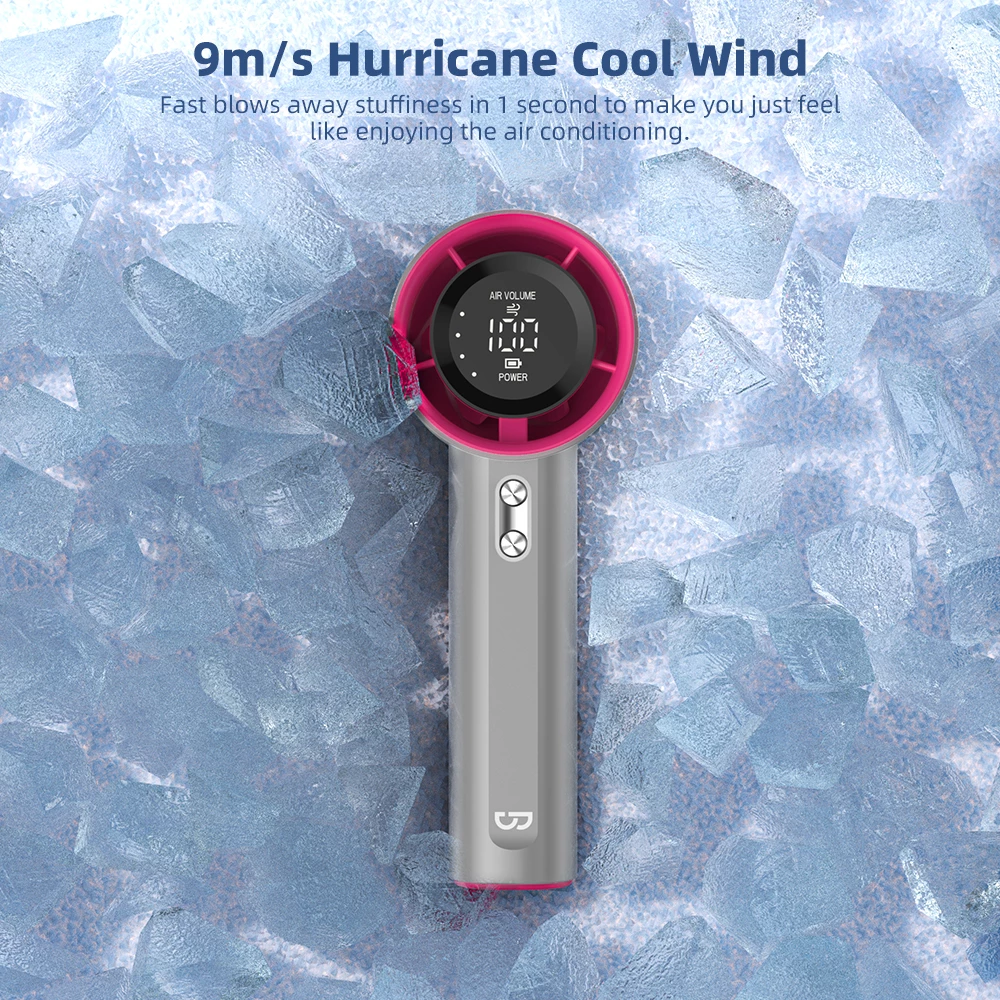








 09Apr
09Apr
Introduction: Beating the Philippine Heat on Your Daily Commute
Let’s be honest, Kabayan. The daily commute in the Philippines is an extreme sport. And the final boss, every single day, is the unrelenting, soul-crushing heat. It’s a foe that doesn’t care if you’re in Luzon, Visayas, or Mindanao. It’s the one constant in our beautifully chaotic lives. In 2025, a simple “pamaypay” just doesn’t cut it anymore. Your secret weapon, your modern-day survival tool, is the mini rechargeable fan.
This isn’t just about comfort. It’s about arriving at your destination feeling human, not like you’ve just run a marathon in a sauna. This guide is your ultimate playbook. We’re not here to sell you a specific brand; we’re here to arm you with the knowledge to choose the perfect personal cooling companion for your specific journey.
The Daily “Init” Struggle is a Universal Pinoy Experience
Close your eyes and you can feel it. That familiar trickle of sweat down your back as you wait for a jeepney with no shade in sight. You see the heat shimmering off the asphalt, and you’re already calculating how to look presentable for your 9 AM meeting.
You know the feeling of being packed shoulder-to-shoulder inside the MRT during rush hour, where the collective body heat creates its own microclimate. The air conditioner is fighting a losing battle, and so are you. Or maybe you’re stuck in a UV Express, trapped in the gridlock of EDSA, where the air is thick, humid, and completely still.
This daily battle against what we lovingly call “grabe ang init” is a shared experience that connects every Filipino commuter. It’s a test of patience and endurance. Arriving at the office or school already feeling sticky (“malagkit”) and drained is a reality we’ve simply accepted for too long.
More Than a Gadget: Your Modern-Day Anting-Anting
In our culture, an anting-anting is an amulet or charm that offers protection from harm. Think of the mini rechargeable fan in the same way. It’s your personal shield against the assault of the tropical climate. It’s no longer a novelty item you buy from a tiangge; it’s an essential piece of your everyday carry, as vital as your phone or wallet.
This little device does more than just blow air. It protects your:
- Professionalism: It prevents you from showing up to a meeting or interview drenched in sweat, helping you maintain a fresh and composed appearance.
- Health: In peak “summer” months, which now feel like the entire year, a personal fan is your first line of defense against heat exhaustion and dizziness.
- Sanity: The psychological relief of a cool breeze in a hot, crowded space cannot be overstated. It keeps you calm and focused, reducing the stress and irritability of a tough commute.
It is, without a doubt, the most practical anting-anting a modern Filipino can carry for their daily urban pilgrimage.
How This 2025 Guide Empowers You
The online marketplaces are flooded with countless mini fans. They all look similar, shouting promises of “long battery life” and “powerful winds.” But how do you separate the marketing hype from the actual performance you need when you’re stuck in traffic for two hours?
This guide cuts through the noise. We dive deep into the technical specifications that actually matter for a commuter in 2025. We will empower you to become a savvy consumer by understanding:
- What battery capacity (mAh) truly means for your specific travel time.
- Which form factor—handheld, neck-worn, or clip-on—is best for your mode of transport.
- How to judge airflow power and why multiple speed settings are non-negotiable.
By the end of this guide, you won’t need to rely on random reviews. You will have the confidence and the criteria to select a mini rechargeable fan that is perfectly tailored to your life, ensuring you stay cool, collected, and ready to conquer your day, no matter how hot it gets.
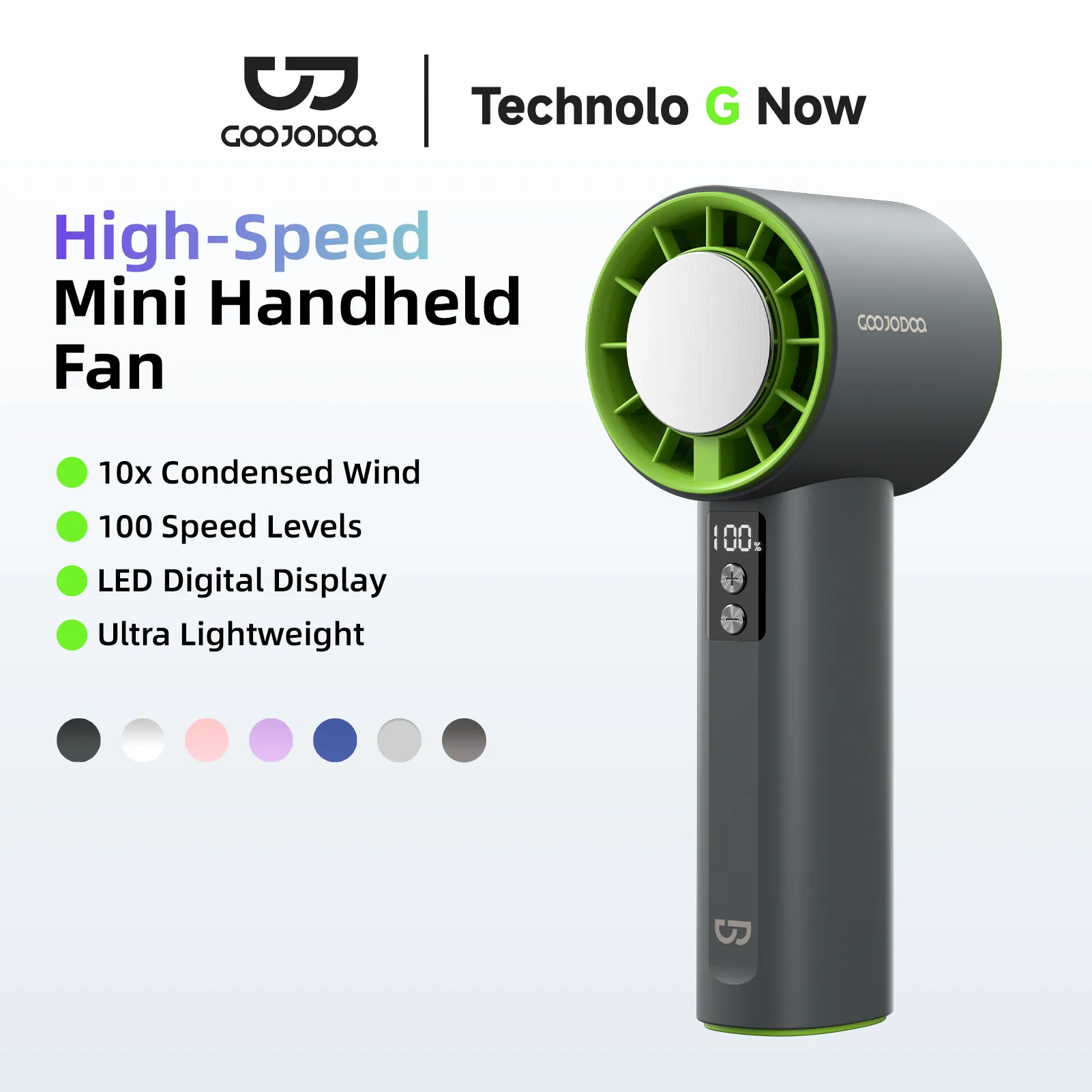
Why a Mini Rechargeable Fan is a Commuter’s Best Friend
Let’s be honest, for any Pinoy commuter, a mini rechargeable fan is no longer just a nice-to-have gadget. It has become an essential tool for survival. It’s the modern-day anting-anting (amulet) against the daily battle with the Philippine heat, a personal lifesaver that fits right in your bag.
If you’ve ever questioned whether this small device is worth the space in your tote or backpack, this is for you. It’s more than just a spinning blade; it’s your key to a more bearable, dignified, and healthier daily journey.
The Unrelenting Climate: Our Year-Round ‘Summer’
First, let’s state the obvious: The Philippines is hot. But it’s not just a dry, manageable heat. It’s a heavy, humid, and sticky heat that clings to you the moment you step out the door. We call it the “malagkit” feeling—that constant sense of dampness that saps your energy before your day has even truly begun.
In 2025, the line between the wet and dry seasons has blurred even further. The intense heat we once associated only with March to May now feels like a year-round reality. State weather bureau PAGASA consistently warns of heat index values soaring into the “Danger” category (42°C to 51°C). This isn’t just an uncomfortable temperature; it’s a real health risk that we face daily.
This relentless climate is the number one enemy of the Filipino commuter. It’s the backdrop for every single trip, turning what should be a simple journey into an endurance test.
The Commuting Gauntlet: Where Your Fan Becomes a Lifesaver
The daily commute in the Philippines is an extreme sport, and the heat is the main antagonist. Your mini fan isn’t just for comfort; it’s a tactical tool for specific, high-stress situations every commuter knows all too well.
The EDSA Standstill
You’re in a bus or a UV Express, stuck in traffic that isn’t moving. The vehicle’s air conditioning system is either fighting a losing battle against the sun baking the metal roof, or it’s non-existent. The air becomes stale and thick with body heat. This is where your fan creates a personal bubble of moving air, providing immediate relief and a sense of control in a helpless situation.
The Jeepney and Tricycle Experience
While open-air, these iconic modes of transport offer zero breeze when stopped at a traffic light or waiting for more passengers. The sun beats down, turning the inside of the vehicle into a convection oven. A handheld fan provides that crucial, direct airflow to your face and neck, making the wait infinitely more tolerable.
The MRT/LRT Squeeze
Picture this: It’s 5:30 PM, and you’re packed shoulder-to-shoulder inside the train. The aircon is on, but you can’t feel it because of the sheer density of people. The collective body heat is overwhelming. A compact fan, angled upwards, can be a game-changer, preventing you from feeling dizzy and suffocated.
The Terminal “Brownout”
You’re waiting at a provincial bus terminal or a ferry port, and suddenly, the power goes out. The industrial wall fans grind to a halt. Panic and heat start to set in. In these moments, your rechargeable fan is your only source of cool, a beacon of preparedness in a chaotic moment.
More Than Just Comfort: It’s About Hygiene and Health
A mini fan’s benefits go far beyond simply feeling cool. It plays a critical role in your personal well-being, both physically and mentally.
Arrive Fresh, Not Stressed
We Filipinos value being maayos, or looking presentable. Arriving at the office, a client meeting, or a class drenched in sweat can instantly ruin your confidence. A fan significantly reduces perspiration during your commute.
- For Professionals: It means arriving with your work attire crisp, not damp.
- For Students: It helps you focus in your first class instead of feeling sticky and uncomfortable.
- For Everyone: It means less smudged makeup, less body odor, and an overall feeling of freshness that sets a positive tone for the rest of your day.
A Proactive Health Tool
The Department of Health (DOH) repeatedly issues advisories about the dangers of heat-related illnesses like heat exhaustion and heatstroke. These are not minor issues; they can be serious medical emergencies. Symptoms often start during a strenuous commute: dizziness, nausea, and fatigue.
A mini rechargeable fan is a simple yet effective preventative measure. By creating airflow, it aids your body’s natural cooling process (evaporation of sweat), helping to regulate your core temperature. It’s a small investment in your health that actively works to prevent you from becoming another heat-related statistic.
The Ultimate ‘Bagahe’ Essential for 2025
Think about the non-negotiable items in your daily bag, your bagahe. You have your phone, your wallet, maybe an umbrella. In 2025, the mini rechargeable fan has firmly earned its place in the “Pinoy Commuter Holy Trinity.”
This essential kit consists of:
- A Fully Charged Power Bank: To keep your devices alive.
- A Reusable Water Bottle: Because hydration is life.
- A Powerful Mini Fan: Your personal climate control system.
These three items work in synergy to help you conquer the daily commute. Your power bank can refuel your fan if it runs low, and staying hydrated while using a fan is the most effective one-two punch against heat exhaustion. Leaving home without it is like leaving without your wallet—you’ll quickly realize how much you truly depend on it.
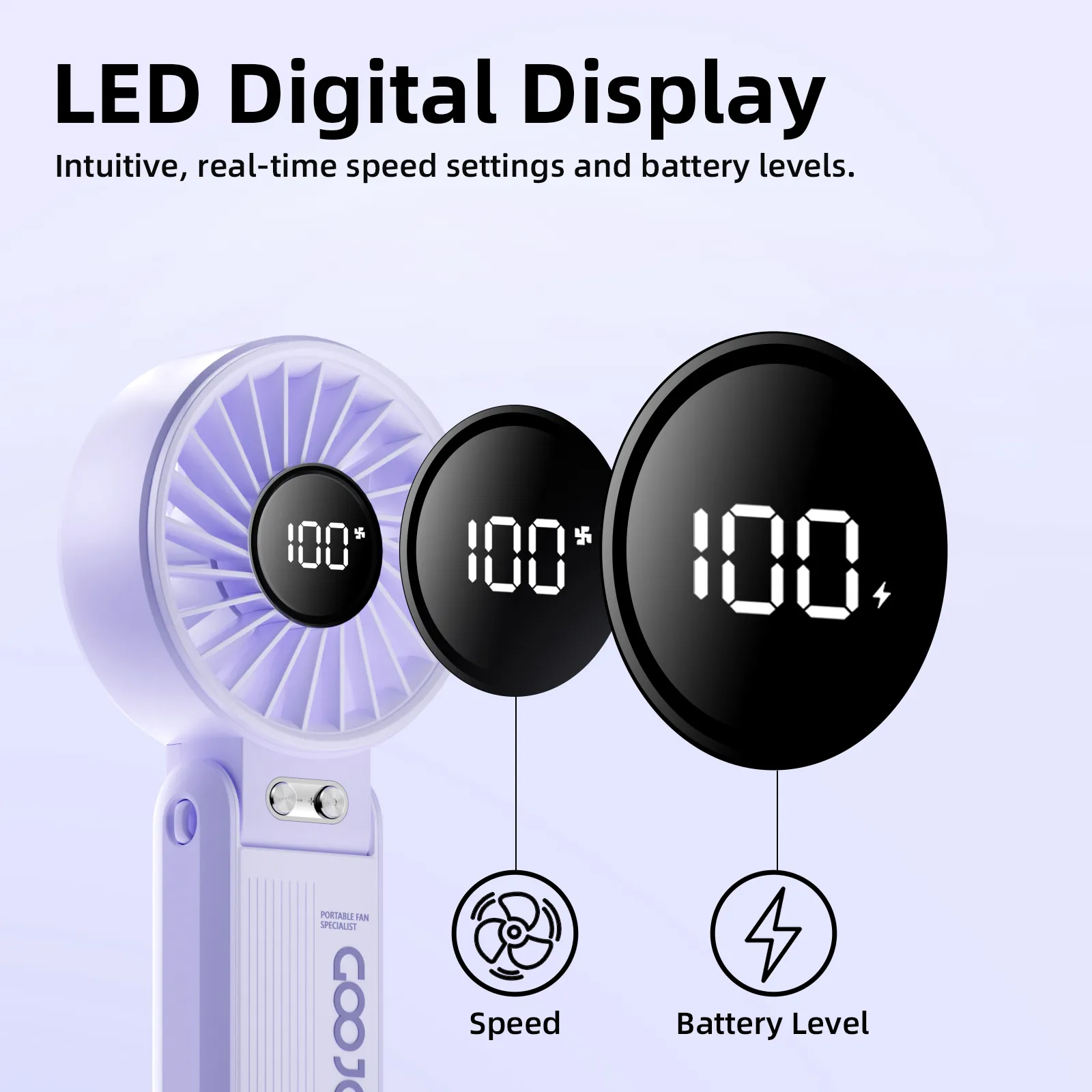
Core Features to Prioritize: The “Must-Haves” for Every Commuter
Let’s cut to the chase. In the sprawling marketplace of mini fans, it’s easy to get swayed by flashy colors or a low price tag. But for a battle-hardened Pinoy commuter, only three things truly matter: how long it lasts, how easy it is to carry, and how strong the breeze is. Getting these three right means you’ve already won half the battle against the daily heat.
Forget the frills for a moment. These are the non-negotiable foundations of a reliable commuter fan. Nailing these core features ensures your hard-earned pera is well-spent on a device that won’t fail you when you’re stuck in traffic on a scorching Tuesday afternoon.
Battery Life (Buhay ng Baterya): The Heart of Your Fan
Imagine this: you’re packed inside the MRT, the air is thick, and just as you’re about to get some relief, your fan dies. That’s the stuff of nightmares. The battery is, without a doubt, the single most critical feature of a portable fan. It is the “buhay” of the device.
What Does mAh Really Mean for Your Commute?
You’ll see “mAh” (milliampere-hour) on every fan’s specification sheet. Think of it as the size of your fan’s “gas tank.” The bigger the number, the longer it will run before needing a recharge.
But what do these numbers mean in the context of a daily Manila commute? Let’s break it down:
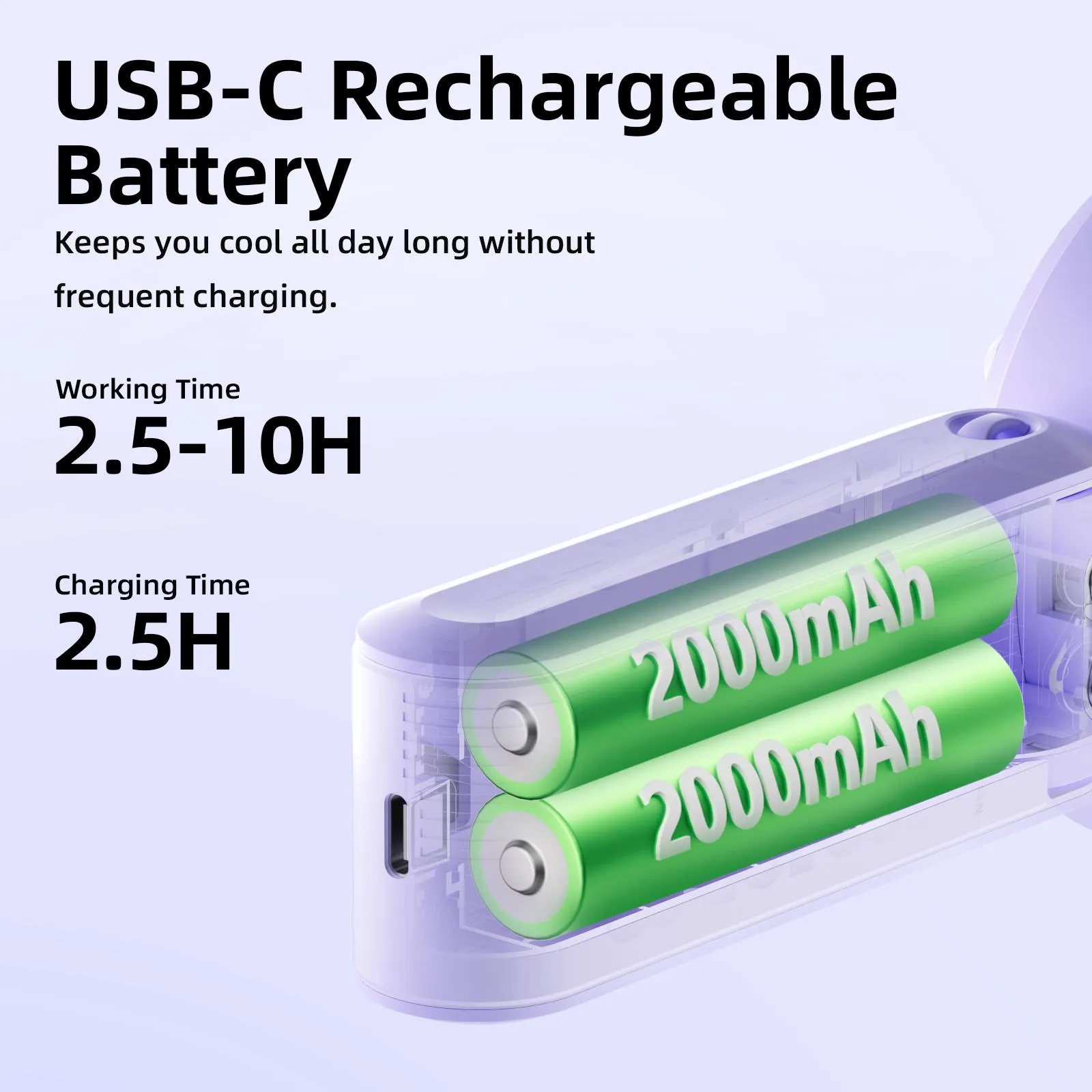
- 2000-3000mAh: This is the baseline. It’s enough for a one-way trip, maybe an hour or two on medium speed. If your commute is a short jeepney ride from your house to the office, this might suffice. But for longer journeys, you’ll be feeling that battery anxiety.
- 4000-6000mAh: This is the sweet spot for the serious commuter. A fan in this range can likely survive a round trip from Cavite to Makati, including the long waits at the terminal. It gives you the confidence to use it generously without constantly worrying about the next charge.
- Above 6000mAh: These are the powerhouses. They can last all day, and many even double as a power bank. If you face epic multi-leg commutes or frequent “brownouts” at your destination, this capacity offers ultimate peace of mind.
Why USB-C is a Non-Negotiable in 2025
If you see a new fan in 2025 still using the old micro-USB port, walk away. USB-C is the modern standard for a reason, and for a commuter, its benefits are immense.
Here’s the deal:
- One Cable to Rule Them All: Your modern smartphone is USB-C. Your laptop is likely USB-C. Your power bank is USB-C. Having a fan that uses the same cable means less clutter in your bag. No more “which cable is for which device?” drama.
- Faster Charging Speeds: Time is precious. USB-C generally allows for faster charging, meaning less downtime. A quick 30-minute charge at the office during your lunch break can give you enough power for the ride home.
- No More Fumbling: The reversible connector is a small but significant quality-of-life improvement. You can plug it in correctly the first time, every time, even in a dark, moving vehicle.
Portability and Form Factor (Dali Dalhin at Disenyo): Your Fan’s Commute Style
A powerful fan is useless if it’s too big and heavy to fit in your “kikay” kit or everyday bag. The best fan is the one you actually have with you when you need it. The design, or “disenyo,” must match your commuting lifestyle.
Let’s explore the common types you’ll encounter:
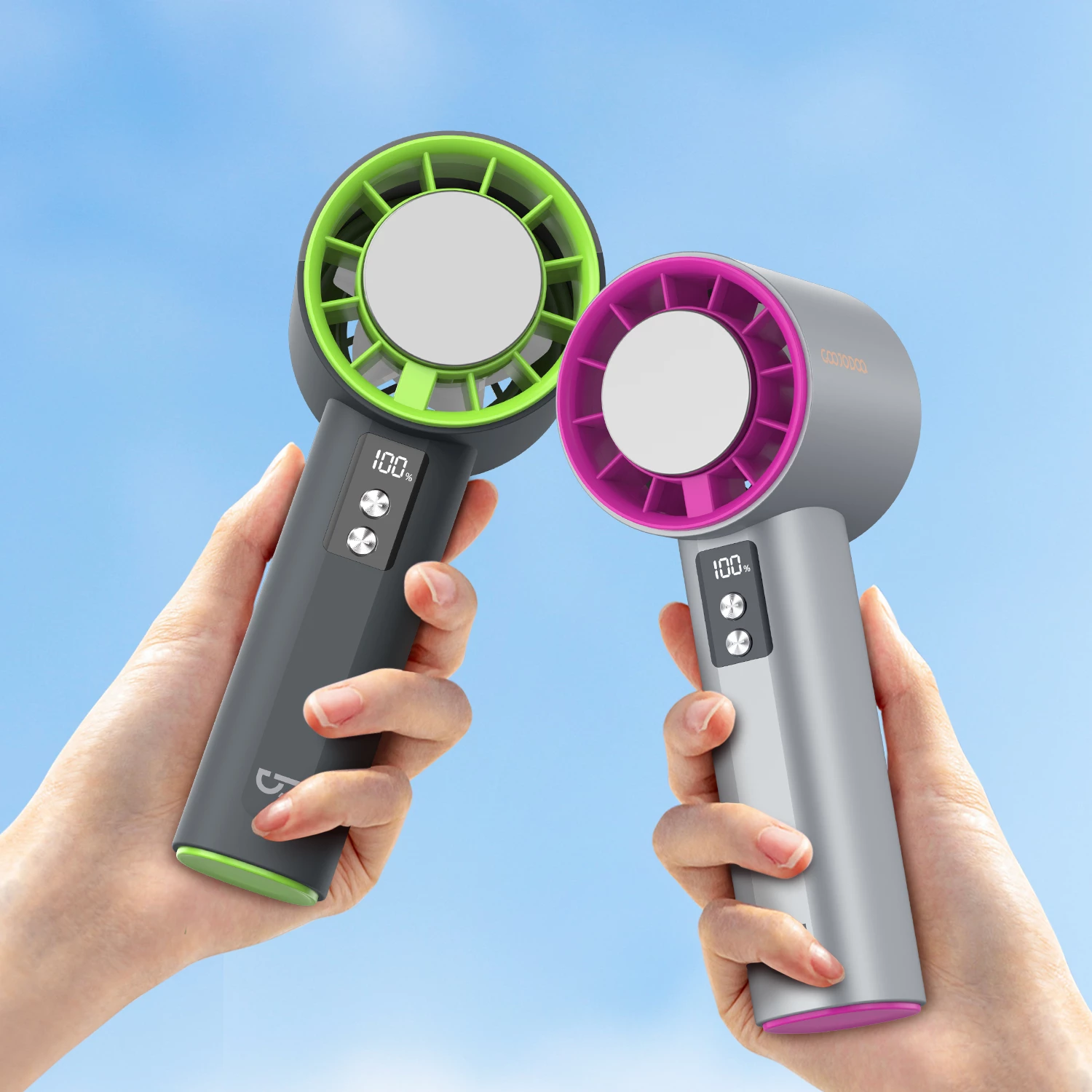
The Handheld Classic
This is the design we all know. It’s simple and effective, giving you direct control over the airflow. It’s perfect for short walks from the bus stop to the office or while waiting in line. The main drawback? It ties up one of your hands, which can be a hassle when you’re trying to hold onto a railing and your bag simultaneously.
The Foldable and Flexible
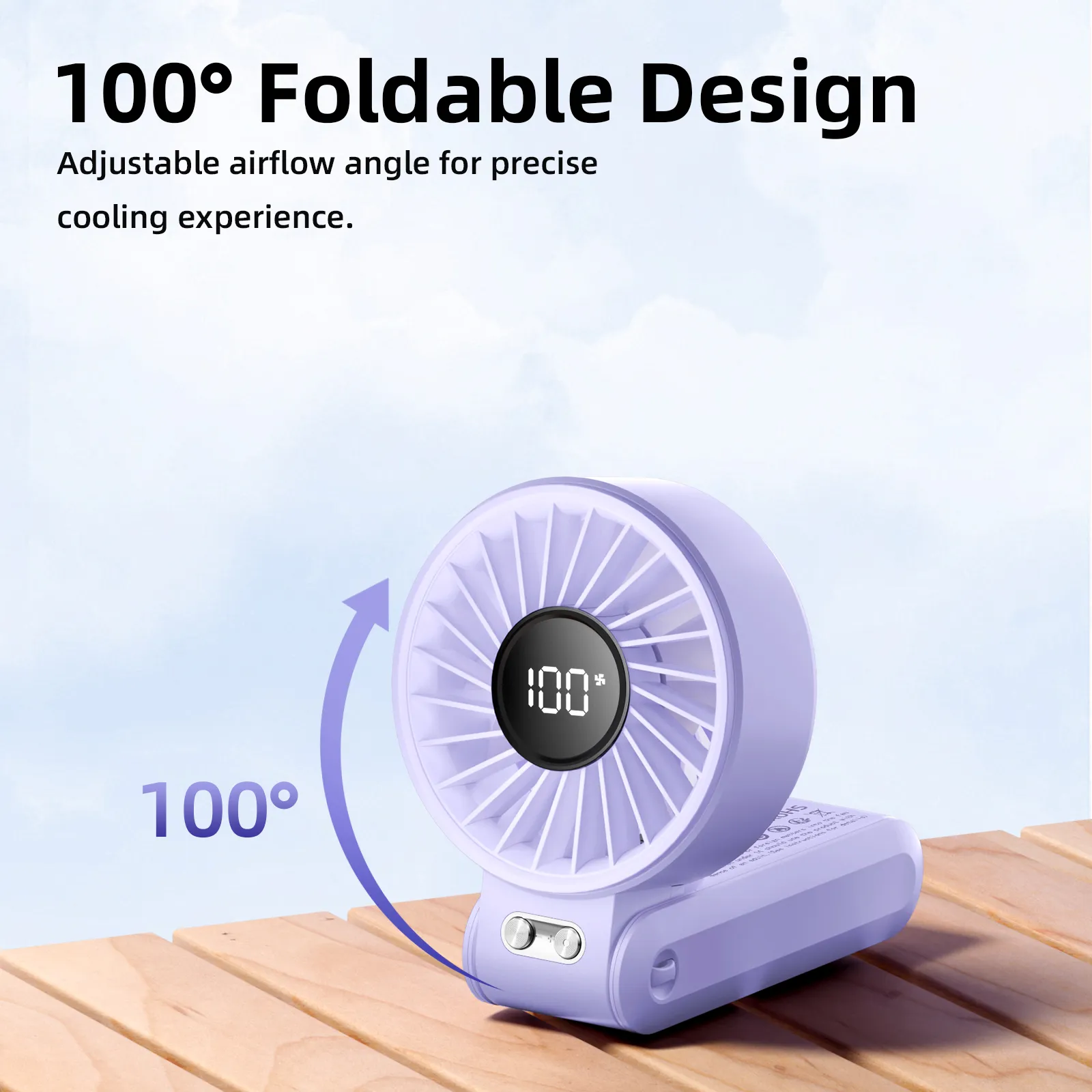
A fantastic evolution of the handheld fan. These models can fold in the middle, allowing them to sit on a flat surface. This is a game-changer. You can prop it up on your desk at work or even on the seat next to you in a UV Express. When folded, they become incredibly compact, easily slipping into a pocket.
The Hands-Free Neck Fan
This style has become a commuter favorite. Worn like a pair of headphones, it provides a constant, hands-free breeze directed at your face and neck. It’s the ultimate companion for walking under the sun or for times when you need both hands free. Just be sure to find a lightweight model that doesn’t feel like a heavy necklace after an hour.
The Clip-On Wonder
Don’t underestimate the utility of a strong clip. A clip-on fan offers incredible versatility. You can attach it to your backpack strap, the edge of a table, or even the sun visor in a car. For commuting parents, it’s a lifesaver for keeping a baby cool in a stroller. The key is to check for a sturdy, reliable clip mechanism.
Airflow Power and Speed Settings (Lakas ng Hangin): From Gentle Breeze to Gale Force
Not all breezes are created equal. A fan that barely moves the air is a waste of money and will only lead to frustration. The “lakas ng hangin” needs to be substantial enough to cut through the dense, humid Philippine air.
The Importance of Multiple Speeds
A single-speed fan is a one-trick pony. Our commuting environment is dynamic, and your fan should be able to adapt. Look for models with at least three speed settings:
- Low Speed (Mahina): Your go-to for quiet environments. Use it in the office, inside an air-conditioned bus, or in a library without disturbing anyone. It conserves the most battery.
- Medium Speed (Katamtaman): The reliable workhorse. This setting should provide a comfortable, noticeable breeze that’s perfect for general use, like walking or sitting in a moderately warm terminal.
- High Speed (Malakas): This is your emergency button. When you’re standing on a sun-baked platform at noon or stuck in a jeepney during a standstill on EDSA, you need that powerful blast of air to keep you from melting. It will drain your battery faster, but in those moments, it’s worth it.
A Quick Word on Blades and Noise
While you don’t need to be an engineer, it helps to know that blade design matters. Generally, fans with more blades (e.g., five or seven) can produce a smoother, less choppy airflow and are often quieter than fans with just three or four blades.
The goal is to find a fan that balances powerful airflow with a motor that doesn’t sound like a tiny airplane taking off. A quiet yet powerful fan is the mark of good quality and will make your commute—and that of the person sitting next to you—far more pleasant.

Smart Features That Make a Big Difference
Once you’ve nailed down the core essentials of battery, portability, and power, it’s time to look at the smart features. In 2025, these aren’t just fancy add-ons; they are practical, day-saving functions that separate a basic fan from a true commuter’s survival tool. For the resourceful Pinoy, it’s all about maximizing the value of every item in our bagahe.
Multi-Functionality: The 2-in-1 Power Bank Advantage
Let’s face it, the two things that die the fastest during a Manila commute are your patience and your phone’s battery. A mini fan that doubles as a power bank is the ultimate diskarte move. It’s a game-changer born from necessity.
Imagine this: you’re stuck in standstill EDSA traffic, your phone is at a dreaded 5%, and you still need to book a ride home or message your family that you’ll be late. This is where a fan with a power bank function becomes more than just a convenience—it’s your lifeline.
What to Realistically Expect
Don’t expect your fan to fully charge your phone multiple times. Its primary job is still to keep you cool. Think of the power bank feature as an emergency reserve tank. A fan with a 5000mAh battery might give a modern smartphone (which also has around a 5000mAh battery) a crucial 40-60% boost. That’s more than enough to make essential calls, send messages, and get you through the rest of your journey.
- Check the Output: Look for a USB-A or USB-C output port. The output amperage (A) will determine how quickly it charges your device. A 1A output is standard, but a 2.1A output will charge your phone noticeably faster.
- The Trade-Off: Be aware that fans with larger battery capacities for power bank duties will inevitably be slightly heavier and bulkier. You have to weigh the importance of an emergency charge against ultimate portability.
Built-in LED Light: Your Guide in the Dark
The daily commute doesn’t always end when the sun is shining. Many Filipinos travel home late at night or leave before dawn. A built-in LED light or flashlight function might seem like a small gimmick, but its practical applications are immense.
This feature is invaluable when you’re walking down a poorly lit eskinita (alleyway) to get home, or searching for your keys dropped inside a dark jeepney. And let’s not forget the frequent, unexpected brownouts that can plunge a train station or bus terminal into darkness. That small light on your fan provides immediate safety and peace of mind.
Noise Level (Ingay): Your Key to Commuting Peace
The power of a fan is one thing, but the noise it makes is another. A fan that sounds like a small airplane engine is fine when you’re outdoors, but it becomes a major nuisance in quieter environments. The goal is to cool down without drawing unwanted attention or causing a disturbance.
Why Quiet Operation is Non-Negotiable
A low-noise fan is a sign of a quality motor and good engineering. It’s a feature you’ll appreciate in countless situations:
- In the Office: You can use it at your desk without distracting your ka-opisina (officemates).
- On Public Transport: In a quiet, air-conditioned bus or UV Express, you can get a gentle breeze without disturbing fellow passengers who might be resting.
- In a Library or Cafe: You can study or work in comfort and silence.
Technically speaking, look for fans that specify a brushless DC motor. This technology is not only significantly quieter than older brushed motors, but it’s also more energy-efficient, meaning you get more cooling power and longer runtimes from the same battery charge. A quiet hum is acceptable; a high-pitched whine is a deal-breaker.
Build Quality and Durability (Tibay): Built for the Daily Grind
Your mini fan will live a tough life. It will be tossed into your bag, squished between books and a lunchbox, and likely dropped a few times. This is where build quality, or tibay, becomes paramount. A fan that feels flimsy is a fan that won’t last a month of daily commuting.
Investing in a durable fan isn’t about spending more; it’s about getting real value, or what we Pinoys call sulit. A cheap fan that breaks in three weeks is far more expensive than a well-built one that serves you reliably for years.
What “Matibay” Looks Like
- Material Matters: Look for fans made from ABS (Acrylonitrile Butadiene Styrene) plastic. It’s the same tough material used in Lego bricks and protective headgear. It has a higher impact resistance than the cheaper, more brittle PP (Polypropylene) plastic found in many low-end models.
- Inspect the Weak Points: Pay close attention to the hinges on foldable fans, the connection point of the neck, and the sturdiness of the fan grill. These are the parts that fail first. The buttons should feel clicky and responsive, not mushy.
- A Solid Feel: A well-built fan has a certain heft and density to it. It doesn’t rattle when you shake it, and the seams of the plastic casing are smooth and well-aligned. This attention to detail in its construction often translates to a longer lifespan, making it a companion you can truly rely on, day in and day out.

How to Care for Your Commuter Fan for Long-Lasting Coolness
So you’ve found the perfect mini fan to be your trusted sidekick against the Manila heat. That’s a great first step! But just like any reliable gadget, a little “alaga” (care) goes a long way. Treating your fan right doesn’t just keep it running; it ensures it performs at its best when you’re stuck in EDSA traffic, saving you from a “malagkit” (sticky) situation and saving you money in the long run. Think of it as an investment in your daily comfort.
Mastering the Charge: More Than Just Plugging It In
The “buhay” (life) of your rechargeable fan is its battery. How you charge it directly impacts how long it will last, not just during one commute, but for months and years to come. Bad habits can slowly kill its capacity, turning your all-day fan into an all-of-30-minutes fan.
Avoid the “Overnight” Charging Trap
We Pinoys love charging our phones overnight, but it’s a habit we should break for our mini fans. Most modern fans use lithium-ion batteries, which hate being kept at 100% for extended periods. While they have built-in protection, constantly pushing them to full charge and leaving them plugged in for hours puts unnecessary stress on the battery cells.
This stress leads to faster degradation. Over a year of nightly overcharging, you could see a noticeable drop in how long your fan holds a charge. The best practice? Simple. Unplug it as soon as the indicator light shows it’s full.
Use the Right “Saksakan” and Cable
Grabbing any random charger or a cheap cable from the “bangketa” (sidewalk stall) is a recipe for disaster. These might not deliver the correct voltage or amperage your fan is designed for. Using an incompatible charger can, at best, charge your fan very slowly. At worst, it can permanently damage the battery or the delicate charging port, leaving you with a useless piece of plastic.
Always try to use the USB cable that came with your device. If you lose it, invest in a quality replacement from a reputable brand. In 2025, most good fans use the USB-C standard, which is more robust and thankfully becoming the universal choice for all our gadgets.
The 20-80 Rule: A Pro-Tip for Battery Longevity
For those who want to be extra meticulous, tech experts swear by the 20-80 rule for maximizing battery lifespan. The idea is to try and keep your battery charge level between 20% and 80%.
- It avoids the stress of a full 100% charge.
- It avoids the strain of a complete 0% discharge.
Of course, this isn’t always practical for a commuter who needs every bit of power. But when you can, like on a weekend, charging it to just 80% instead of 100% is a great habit that will pay off in the long run.
Keep It Clean: Fighting “Alikabok” for Peak Performance
Your fan is constantly sucking in air, and in the city, that air is filled with “alikabok” (dust), pollution, and all sorts of grime. A dirty fan isn’t just an eyesore; it’s an inefficient and unhygienic one.
Why Cleaning is Not Just About Looks
Over time, dust cakes onto the fan blades. This adds weight, unbalancing the blades and forcing the motor to work harder. The result? The fan becomes noisier and the battery drains faster. More importantly, do you really want to be blowing a cloud of accumulated street dust directly into your face? A quick “linis” (clean) session is essential for both performance and your health.
Your Simple “Linis” Guide
Cleaning your fan is easy and takes less than five minutes. Aim to do this at least once every two weeks, or more often if you’re a daily commuter.
- Safety First! Always make sure the fan is turned off completely before you start cleaning.
- Grill Duty: Use a dry cotton bud (the local Q-tip) or a small, soft-bristled brush (like an old, clean toothbrush) to gently remove dust from between the grill slats.
- Blade Care: For the blades themselves, use a slightly damp cloth or a wet wipe. Make sure it’s not dripping wet, as you don’t want water getting into the motor. Gently wipe down each blade.
- Air Dry: Let the fan air dry completely for a few minutes before you even think about turning it on again.
A pro-tip when buying a new fan is to check if the front grill can be easily twisted off. This feature makes deep cleaning significantly easier and is a mark of a well-designed product.
Smart Storage: Protecting Your Fan in the “Biyahe” Jungle
Your bag is a warzone. Keys, coins, pens, and your “baon” (packed lunch) are all fighting for space. Tossing your fan into this mix without protection is asking for trouble. A little forethought on storage can prevent scratches, broken blades, and accidental button presses that drain your battery.
The Enemy Within: Keys, Coins, and Clutter
The hard, sharp edges of keys and coins are the natural enemies of your fan’s plastic body and delicate blades. A single journey can leave it looking scratched and old. Worse, a blade could get chipped, which will make the fan noisy and wobbly. The power button can also be accidentally pressed inside your bag, leaving you with a dead battery right when the afternoon heat kicks in.
Best Practices for Bagging Your Fan
Protecting your fan during your “biyahe” (journey) is simple. You just need to create a buffer zone.
- Use Its Pouch: Many fans come with a small drawstring pouch or box. Don’t throw it away! It’s designed to be the perfect protective layer.
- Designate a Pocket: If your bag has a soft, dedicated gadget pocket, make that your fan’s official home.
- DIY “Panapin”: No pouch? No problem! A clean, old sock or a small microfiber pouch (like one for sunglasses) makes for a fantastic and very Pinoy-style “panapin” (padding).
- Fold with Care: If you have a foldable model, always ensure it is fully and correctly folded before putting it away. This protects the fan head and neck joint, which are often the weakest points.
Conclusion: Your Key to a Cooler, More Comfortable Commute
So, what is the final verdict in your quest for the perfect travel companion? The single “best” mini rechargeable fan in the Philippines for 2025 doesn’t actually exist on a store shelf. The best fan is the one that becomes an invisible, indispensable part of your daily journey—your personal weapon against the relentless tropical heat.
It was never about finding the most expensive model or the one with the flashiest marketing. It has always been about finding your perfect match, a fan that understands your unique commute.
Finding Your Perfect Commute Companion: A Quick Recap
Navigating the world of portable fans can feel as chaotic as a Monday morning on EDSA. But when you cut through the noise and focus on the fundamentals, the choice becomes crystal clear. Your final decision should always be weighed against the three core pillars that define your travel life:
- Battery Life (Buhay ng Baterya): Don’t just look at the mAh number. Ask the real-world question: “Will this last my entire journey from Cavite to Makati and back, including the two hours of unexpected traffic?” Your fan’s battery life needs to be more resilient than your patience in a gridlock.
- Portability and Form Factor (Dali Dalhin): Your fan must seamlessly integrate into your daily “bagahe.” It needs to be a tool, not another burden. Whether that’s a tiny foldable model for your pocket or a hands-free neck fan for when you’re juggling a laptop bag and a coffee, it cannot add to the struggle.
- Airflow Power (Lakas ng Hangin): Your fan’s power must be adaptable to the chaos of the commute. You need a gentle, quiet breeze for the cramped confines of a UV Express, but a powerful, focused blast for those moments you’re waiting under the scorching sun for a modern jeepney.
Look Beyond the Label: Why Features Trump Brands
In a market absolutely flooded with countless options, from the stalls in Greenhills to the endless scroll on Lazada, it is incredibly easy to get fixated on familiar brand names. But in 2025, the smartest Pinoy commuters know that the logo on the fan is the least important feature.
A popular brand name is no guarantee that a fan will survive a year of being jostled in a bag or that its battery won’t give up halfway through your trip. A deep understanding of the features we’ve discussed—from the universal convenience of a USB-C charging port to the subtle importance of a quiet motor—is infinitely more valuable.
You are the ultimate expert on your own commute. Trust your knowledge of these crucial features, not the flashy advertising. A well-chosen fan, regardless of its brand, is a long-term investment in your daily comfort and sanity.
Your Mission: Conquer the Commute and Stay Fresh
The daily commute in the Philippines is more than just a trip; it’s a battle. It is a daily test of our endurance, our patience, and our spirit. Arming yourself with the right tools is not a luxury; it is a fundamental strategy for survival and success in the urban jungle.
You now have the framework and the knowledge to cut through the marketing noise and make an informed, intelligent choice. Empower yourself by prioritizing what truly matters for your specific journey. Choose your portable cooling companion wisely, and you will fundamentally transform your daily travel from a sweaty, draining ordeal into a far more comfortable and manageable experience.
Go forth and conquer the heat of your daily journey. Make it your mission to arrive at your destination feeling—and looking—as fresh and composed as when you first stepped out the door.
Stay cool, Kabayan!
Sale
- 3-Month Extended Replacement Plan
GOOJODOQ Portable Fans High-Speed GFS006
Original price was: ₱869.00.₱830.00Current price is: ₱830.00. Select options This product has multiple variants. The options may be chosen on the product pageSale
- 3-Month Extended Replacement Plan
GOOJODOQ High Speed Handheld Fan GFS001
Original price was: ₱827.40.₱680.00Current price is: ₱680.00. Select options This product has multiple variants. The options may be chosen on the product pageSale
- 3-Month Extended Replacement Plan
GOOJODOQ High Speed Mini Fan GFS007
Price range: ₱520.00 through ₱580.00 Select options This product has multiple variants. The options may be chosen on the product pageSale
- 3-Month Extended Replacement Plan
GOOJODOQ Foldable Portable Fan GFS003
Original price was: ₱523.95.₱489.00Current price is: ₱489.00. Select options This product has multiple variants. The options may be chosen on the product page
09Apr


 29Apr
29Apr
 30Apr
30Apr